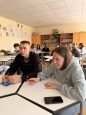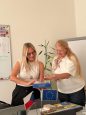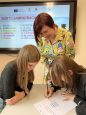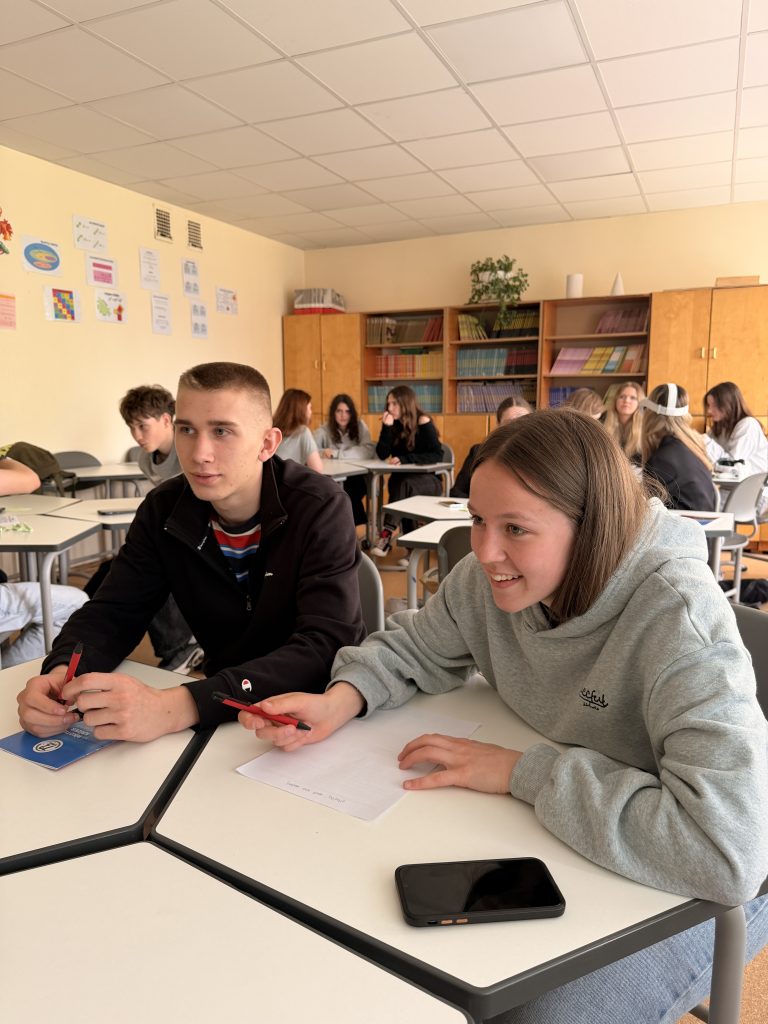
From 11 May to 5 September 2026, activities of the project “Family Resilience Guide” took place in Daugavpils, Krāslava, Rēzekne and Medumi. During the project, families expanded their knowledge of safe behaviour in everyday life, crisis situations and the digital environment. The project included three “Safety Academy” events, as well as the educational excursion “Military Security: Past and Present”, offering participants an opportunity to explore safety issues theoretically, practically and through historical experience.
The “Safety Academy” event took place in Daugavpils on 11 May, in Krāslava on 20 August, and in Rēzekne on 3 September. Each event focused on several aspects of safety, encouraging participants to think not only about how to act in emergency situations, but also about everyday choices and the ability to identify potential risks in a timely manner.
The “Safety Academy” event originally planned in Krāslava for 21 May 2026 was postponed for safety reasons after an airspace threat was declared in Krāslava Municipality. This situation clearly demonstrated the relevance of the project’s theme, as the need to act thoughtfully and responsibly in situations of danger may arise unexpectedly.
Security expert Kārlis Apalups introduced participants to various types of fraud, ways of recognising them and appropriate action when receiving suspicious phone calls, messages or offers. Associate Professor Igors Trofimovs of Daugavpils University addressed civil protection and crisis management issues, focusing on practical preparedness for emergencies, including the use of shelters and the preparation of a 72-hour emergency kit. Associate Professor Juris Soms of Daugavpils University focused on the sustainable use of natural resources, responsible everyday choices and their connection to individual and societal resilience.
Ingrīda Kupšāne provided a practical perspective on safety in the urban environment by leading the situational learning activity “Be Safe, but Not Reckless! How Should We Act to Make the Urban Environment Friendly to Us?”. Participants analysed various everyday situations, assessed potential risks and discussed principles of safe and responsible behaviour.
Ilga Stikute, Lidija Znotiņa and Biruta Vaivode led the situational simulations “I Feel Safe in My Home”. By simulating different everyday situations in the home environment, participants developed their ability to make quick decisions, find safe solutions to prevent threats and take responsibility for their own safety and that of their families.
Digital safety also played an important role in the events. Under the guidance of the association’s IT methodologist Gustavs Koržeņevskis, participants took part in virtual reality simulations focused on online fraud. This approach allowed them to test in practice how important it is to recognise risks in a timely manner, assess the information they receive and make thoughtful decisions in the digital environment.
Participants also had the opportunity to test the knowledge they had acquired in the quiz game “Safety Code”, led by the association’s educators Žans Badins and Evita Badina. Alongside serious safety-related questions, the game included challenging tasks requiring attention, logical thinking, quick reactions and teamwork — skills that are also important in emergency situations.
On 5 September 2026, families took part in the educational excursion “Military Security: Past and Present”, during which safety and defence issues were explored through historical experience and practical tasks. Participants visited Daugavpils Fortress, the Daugavpils Shot Factory and the First World War Museum in Medumi, learning about the region’s military heritage and the safety and defence challenges relevant in different historical periods.
During the excursion, participants practised basic orientation skills and compass use, learned about different types of shelters and the principles of choosing an appropriate place of refuge, and discussed the contents of a 72-hour emergency kit and the practical use of the items included in it. These activities helped consolidate the knowledge gained and improve participants’ preparedness to act in various emergency situations.
The excursion concluded with the discussion “On Safety Through the Twists and Turns of History”, during which participants shared their observations and reflections on civil protection, national defence and the importance of historical experience in understanding present-day security.
The variety of project activities allowed families to look at safety from several perspectives — from recognising fraud and digital risks to crisis preparedness, safe behaviour at home and in the urban environment, responsible everyday choices and understanding the importance of historical experience. The knowledge and practical experience gained during the project helped strengthen participants’ ability to act thoughtfully in situations where their own safety, the safety of their families and the safety of those around them are at stake.
A total of 189 people participated in the project activities, including 79 adult family members, among them persons responsible for the care of children under the age of 18, and 113 children under the age of 18.
We would like to thank all project participants, lecturers, activity leaders and cooperation partners for their involvement!
The activities were implemented within the framework of the project “Family Resilience Guide”, No. 2026.LV/ĢDV/044. The project is funded by the European Union and implemented within the European Social Fund Plus project “Creating a Family-Friendly Environment and Society”, No. 4.3.6.9/1/24/I/001.
 |  |  |