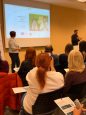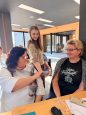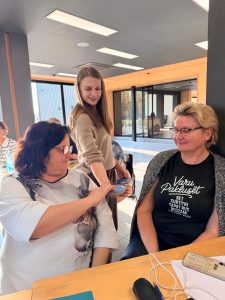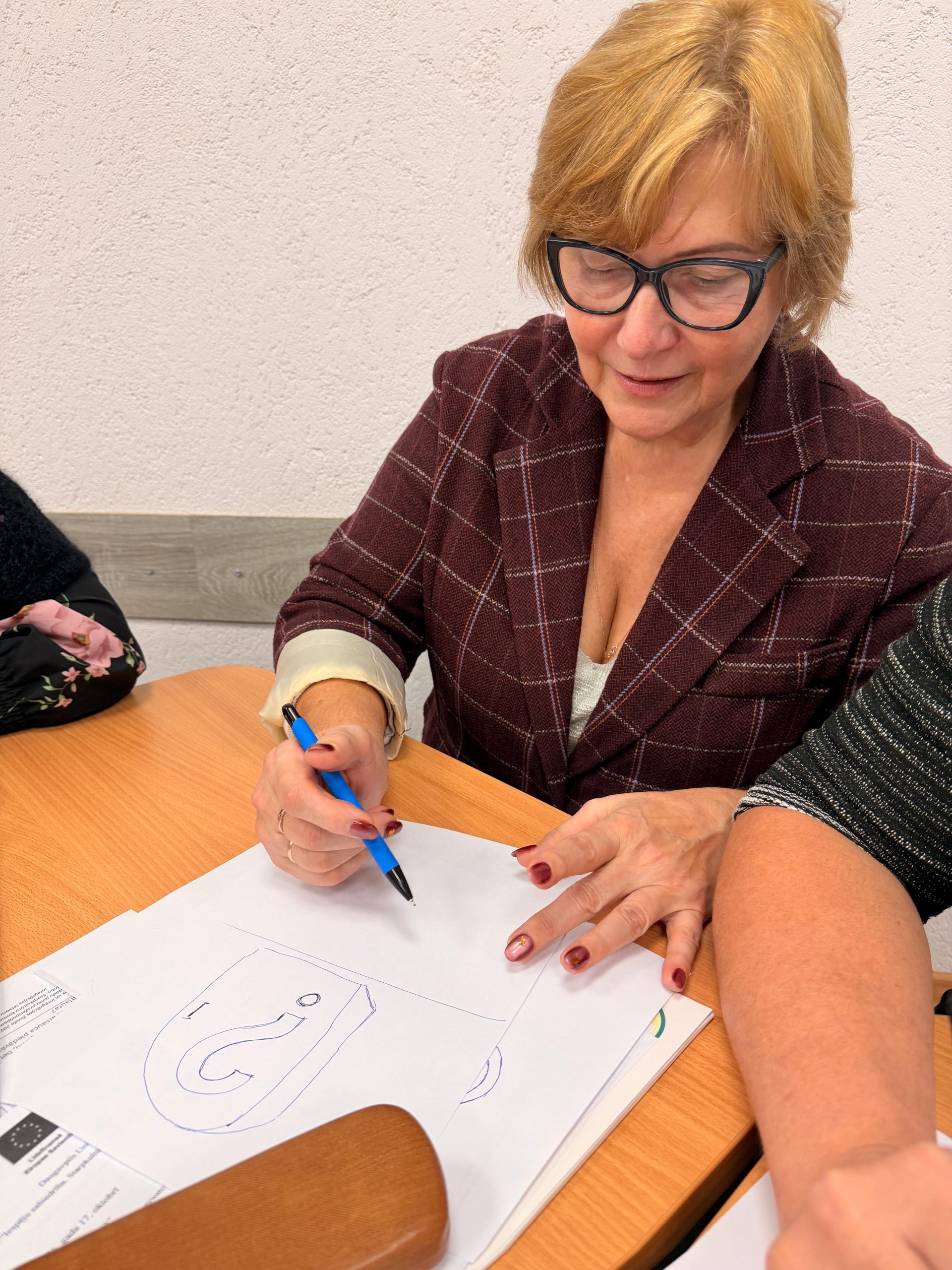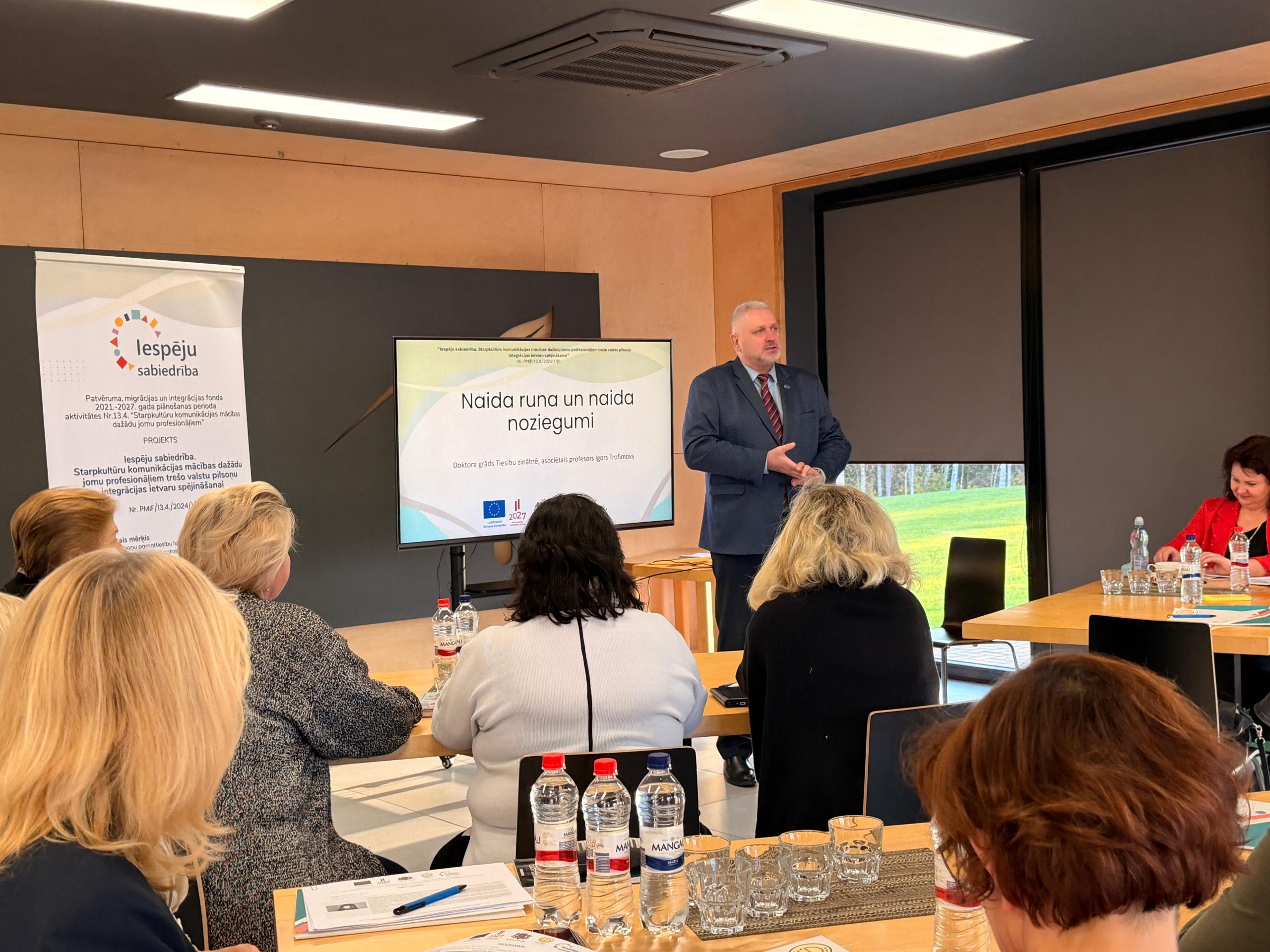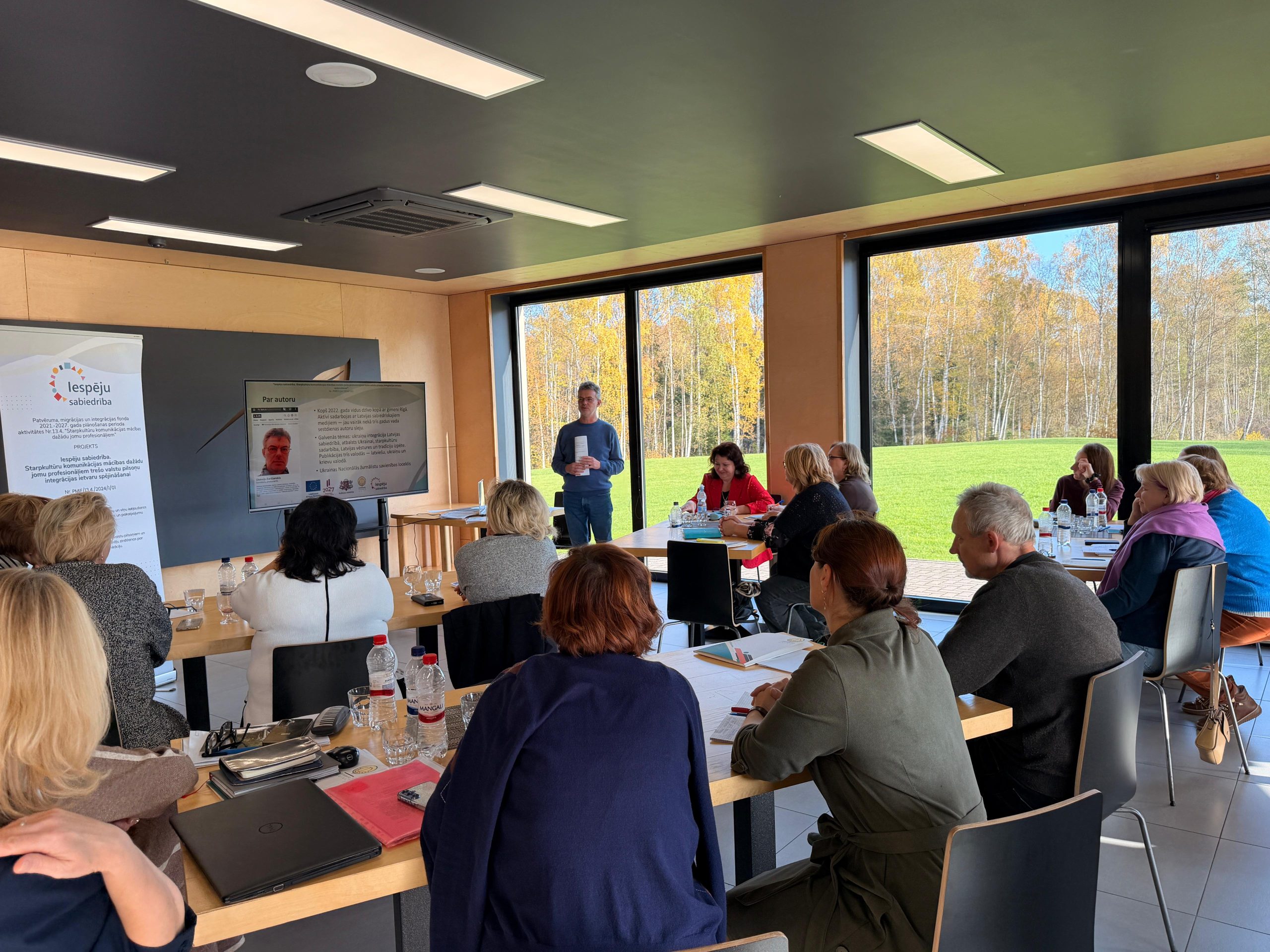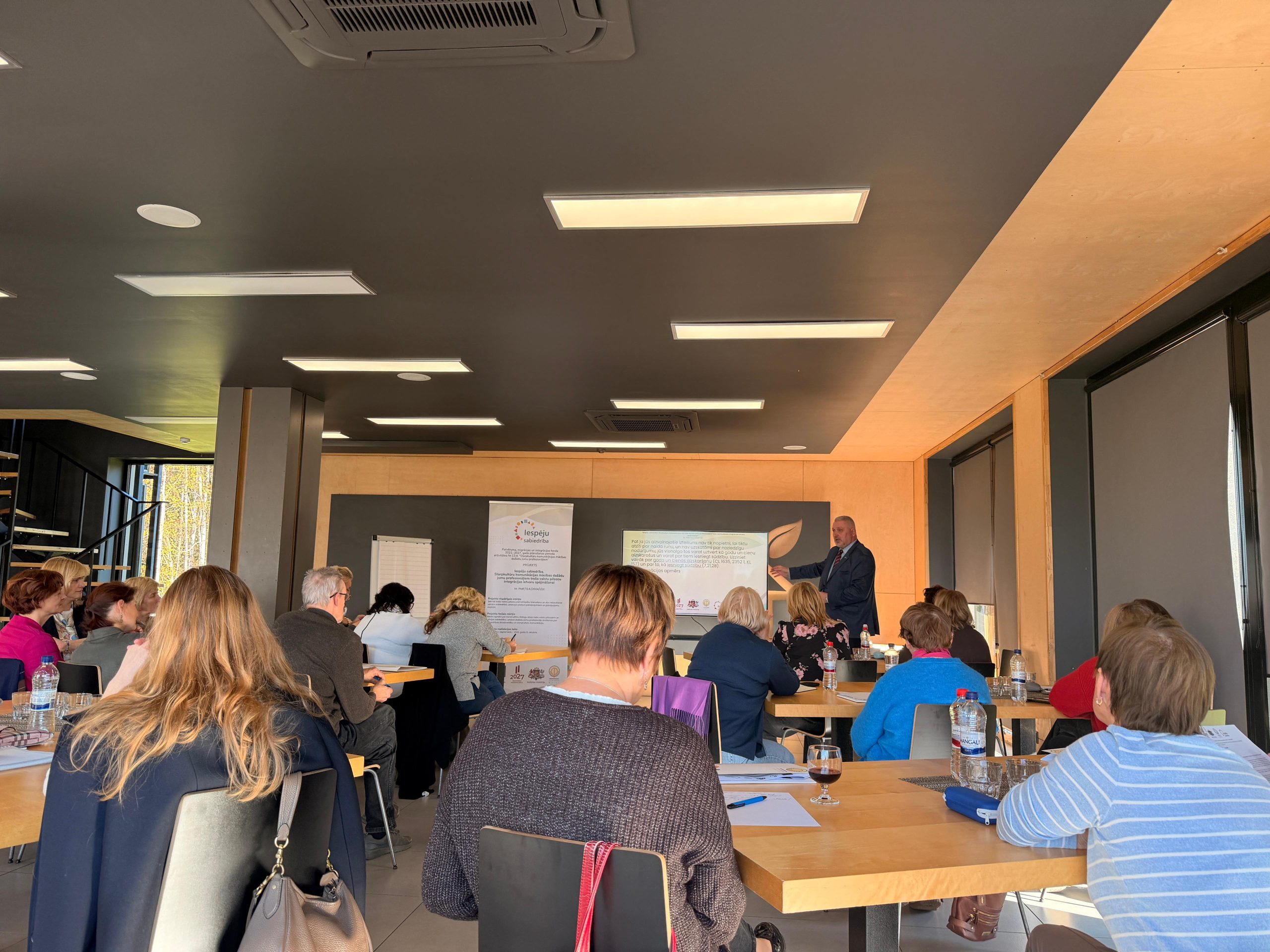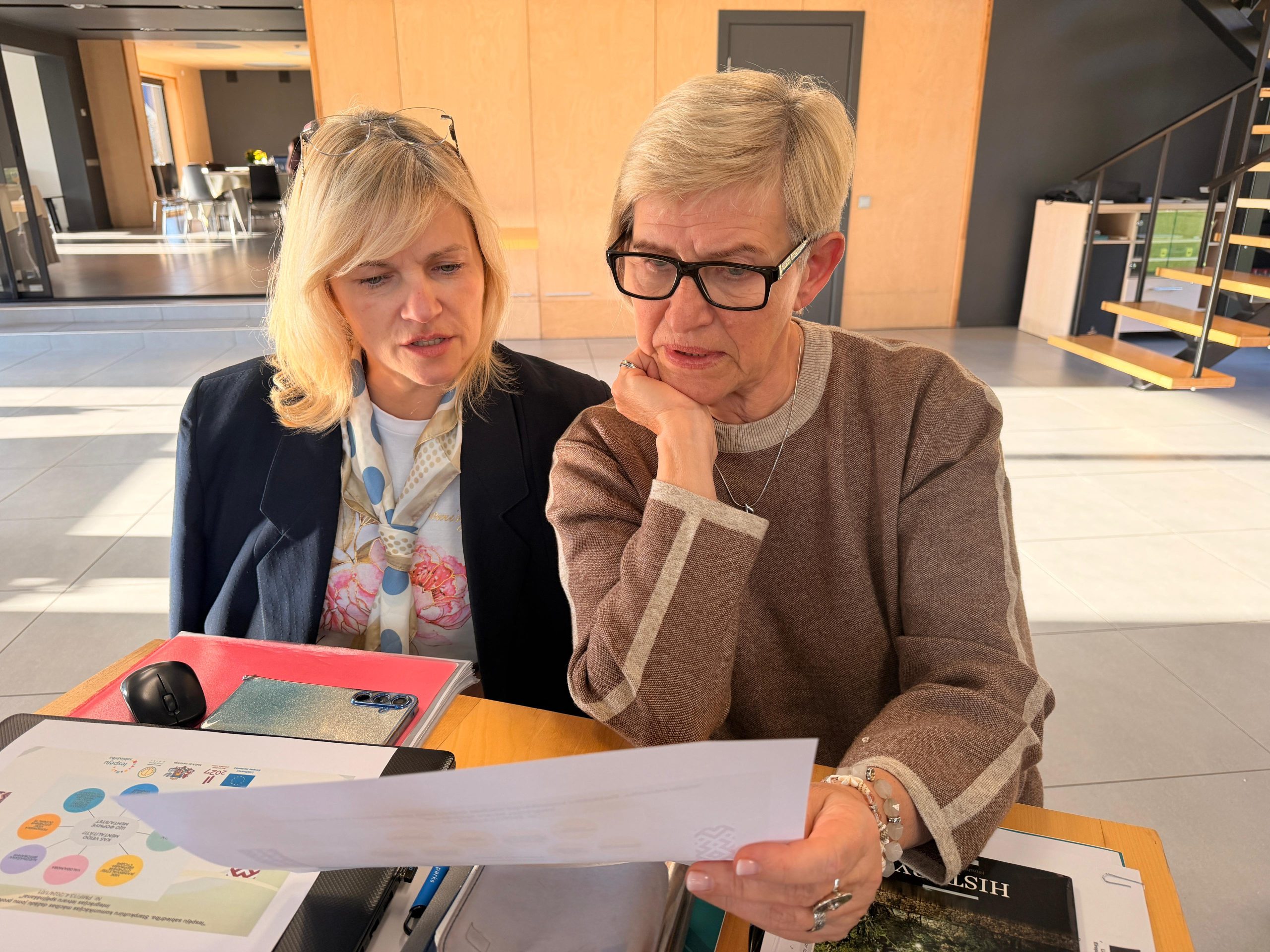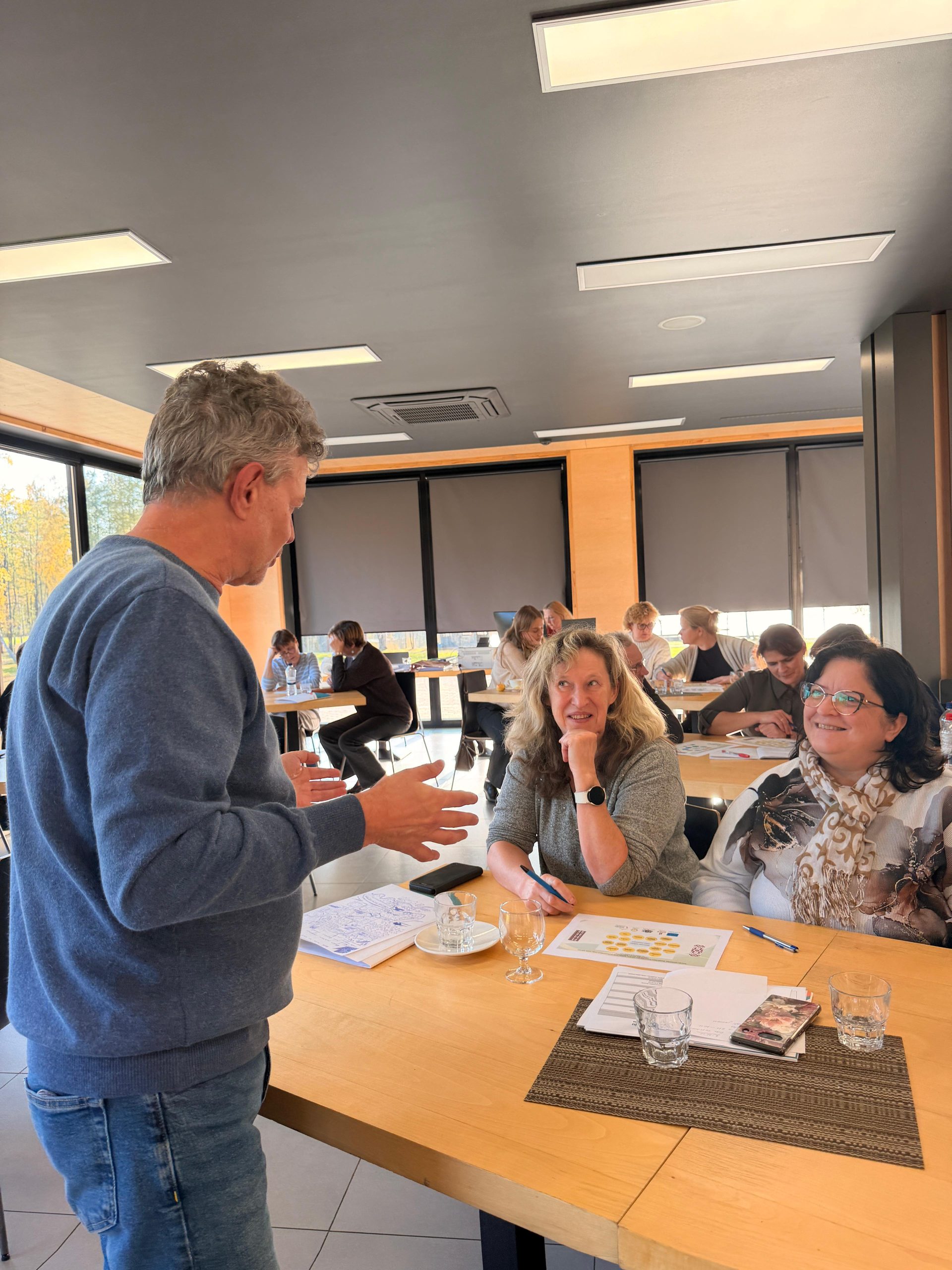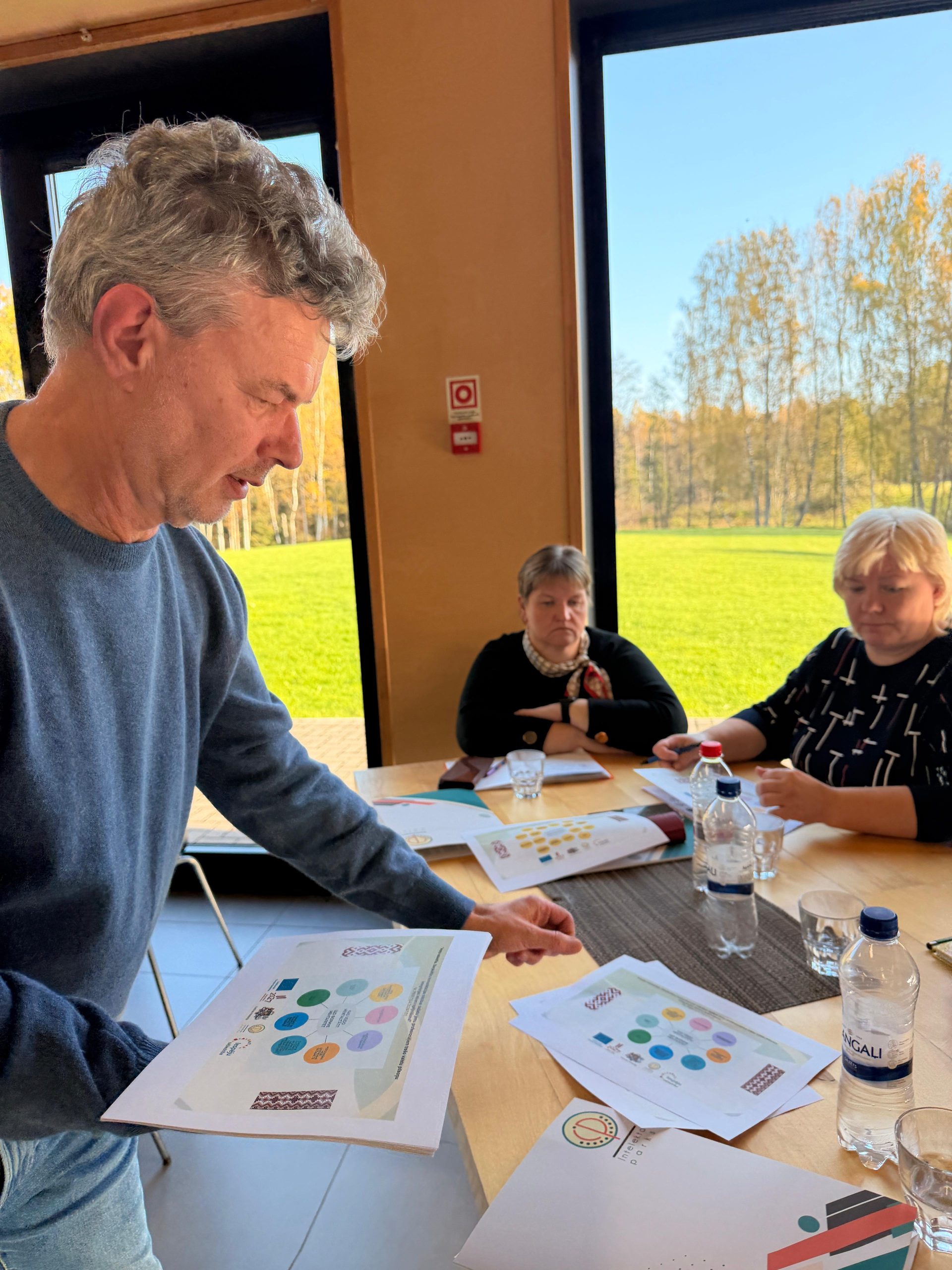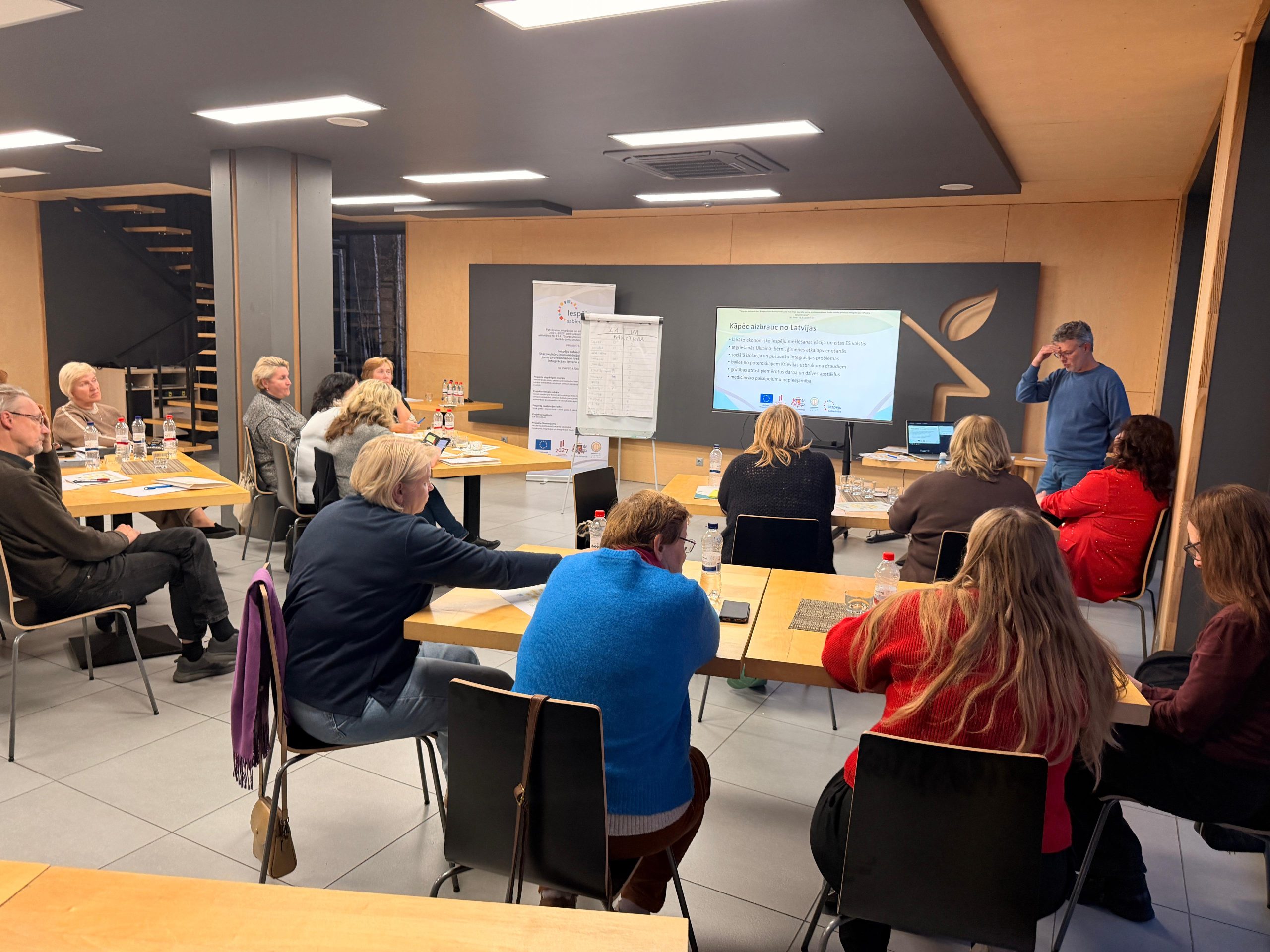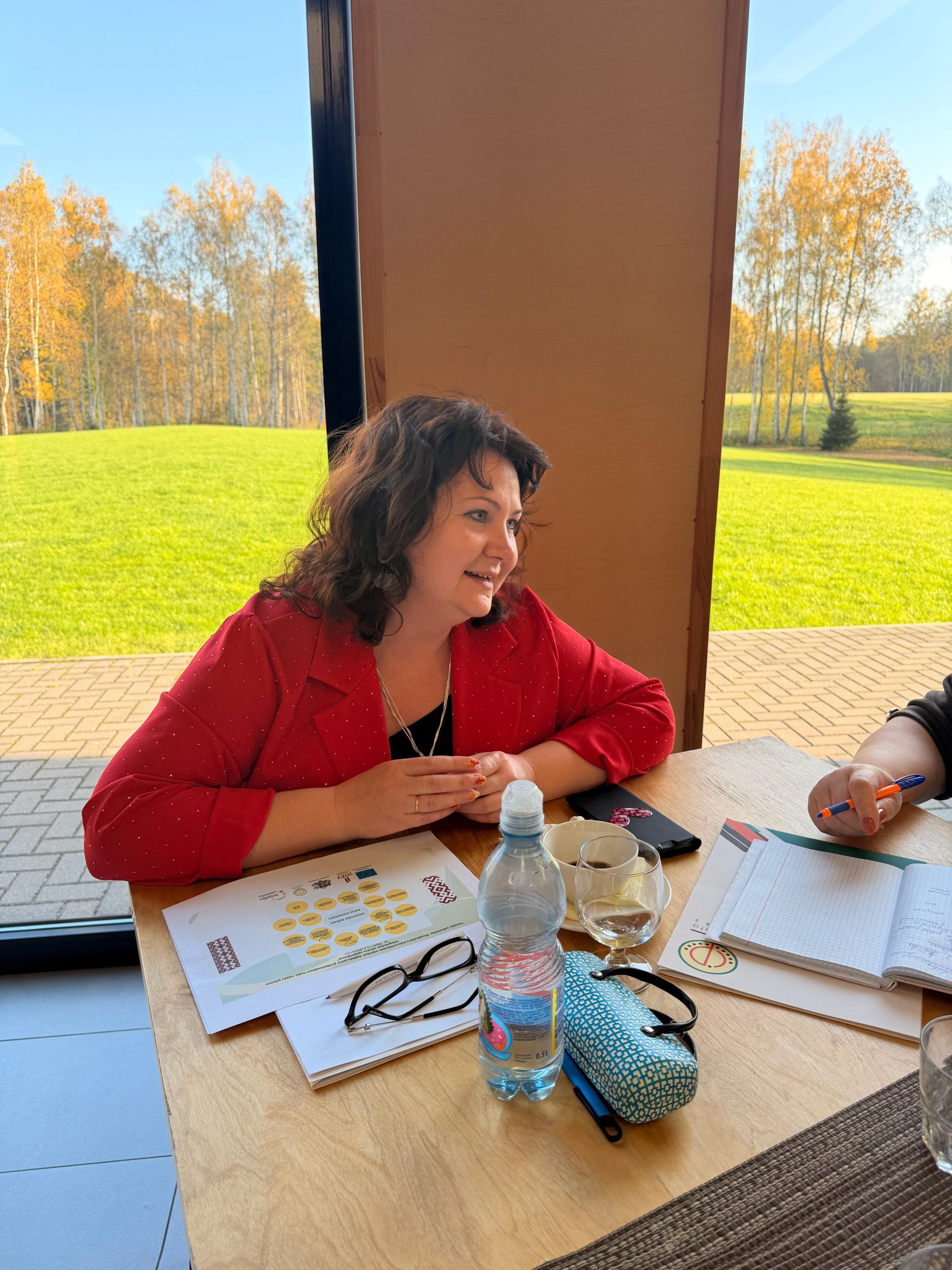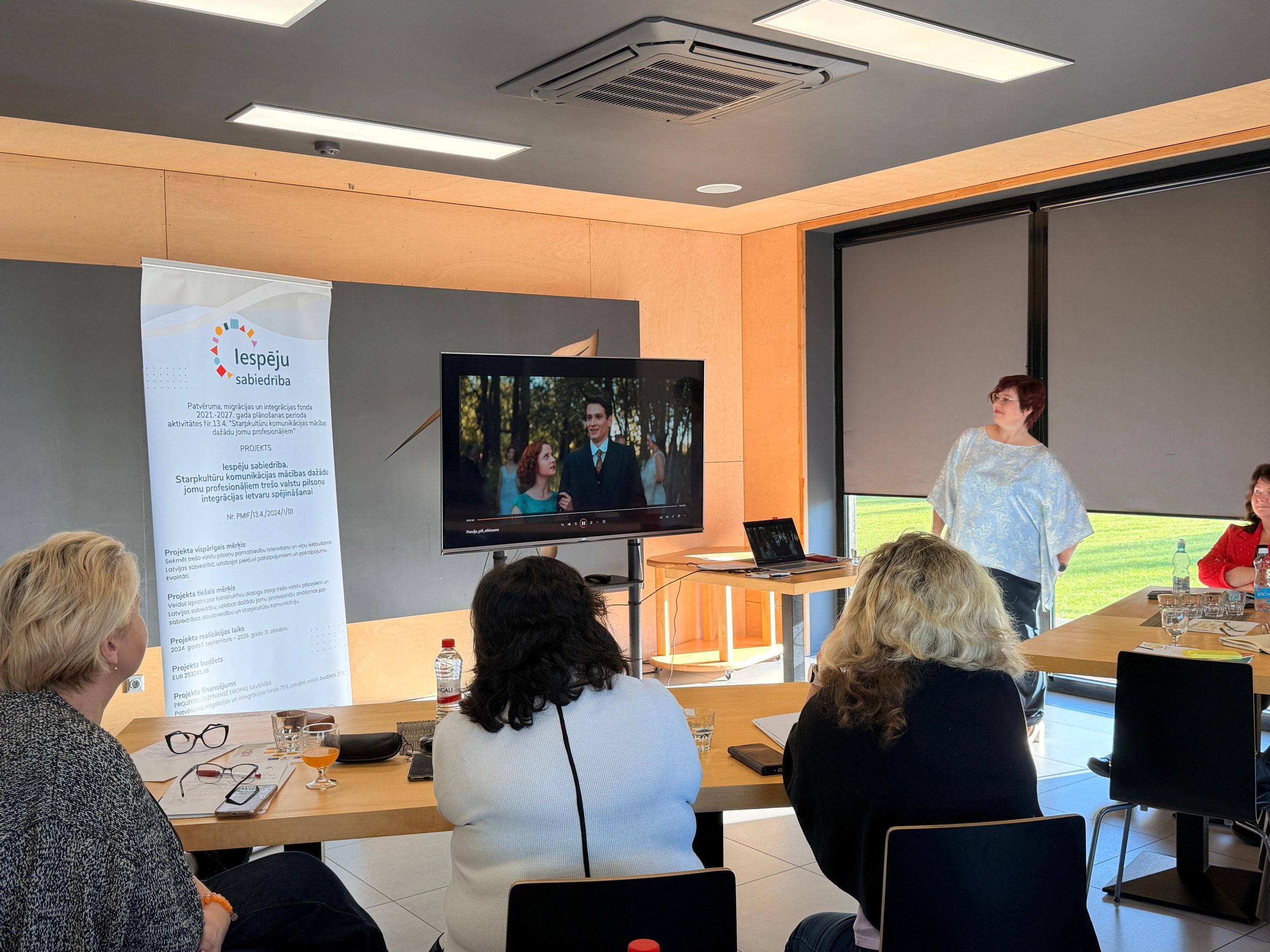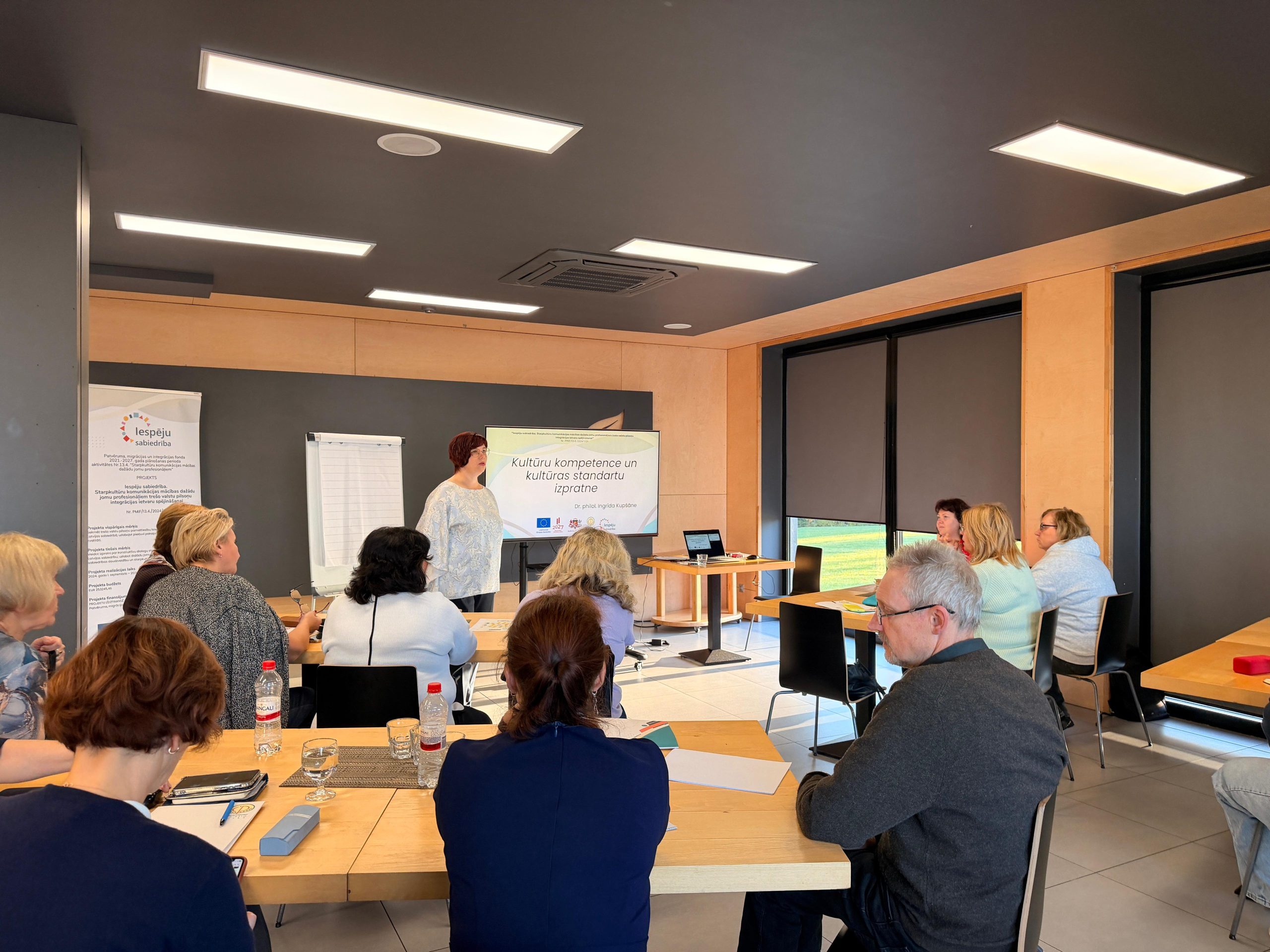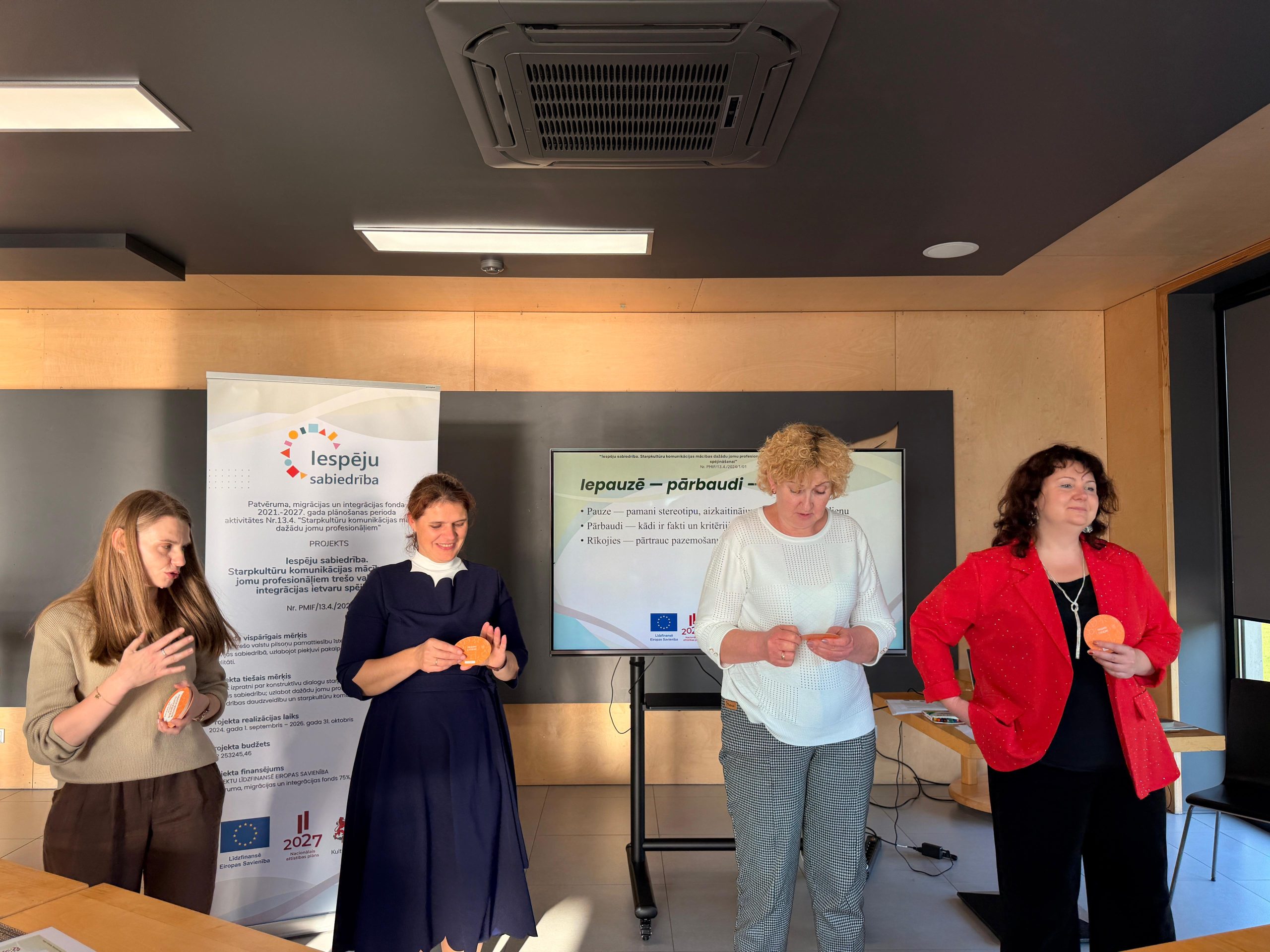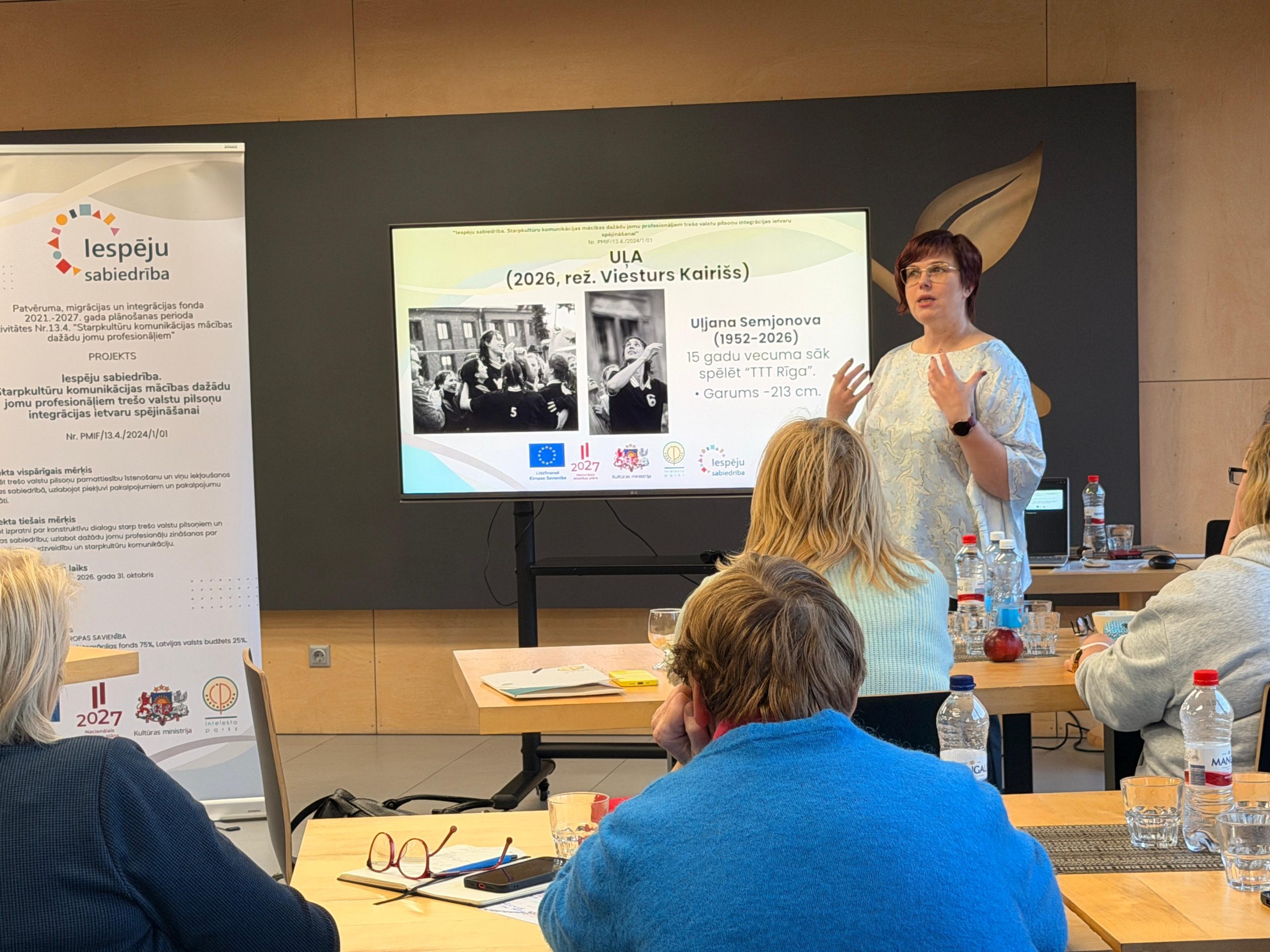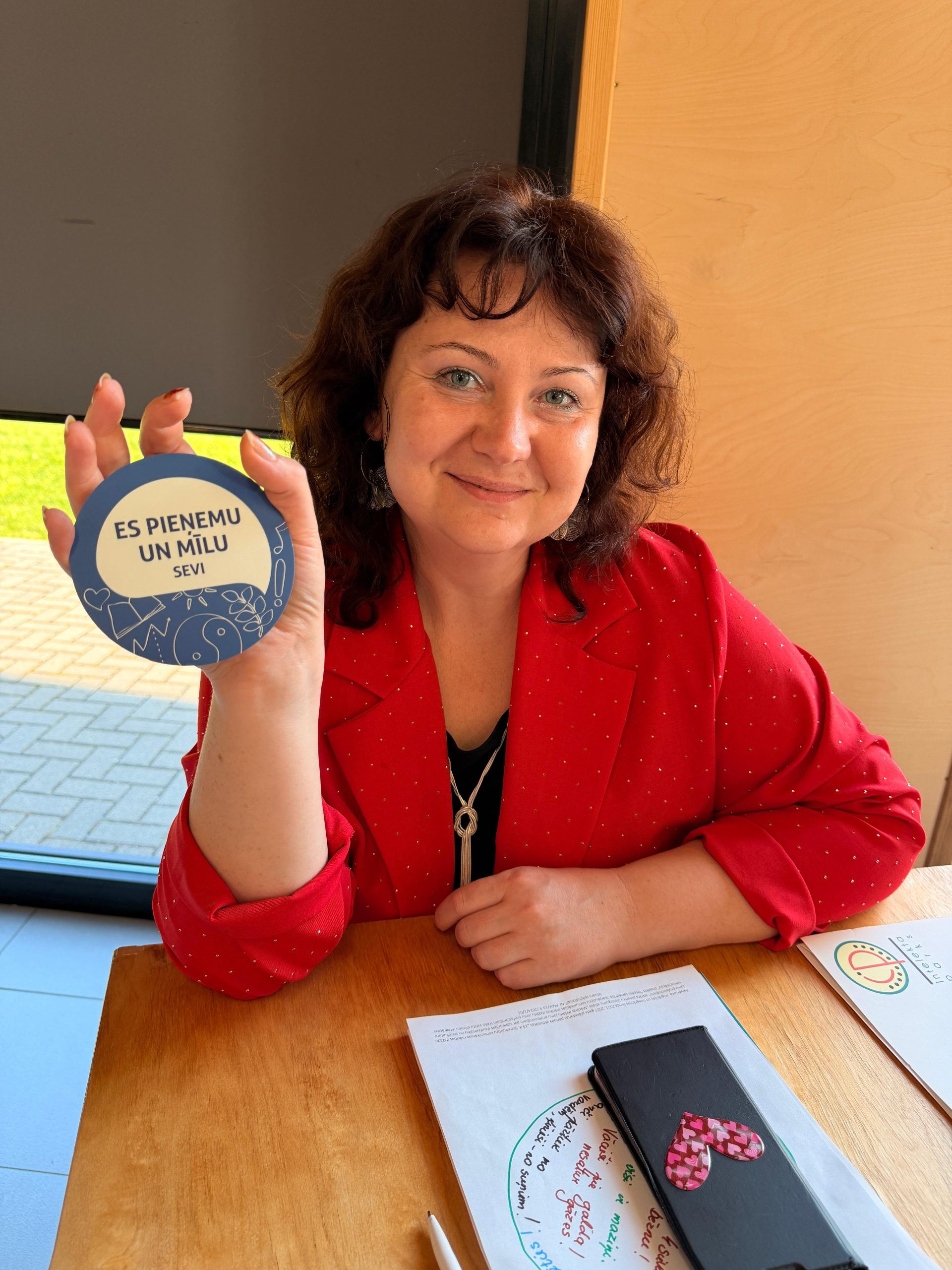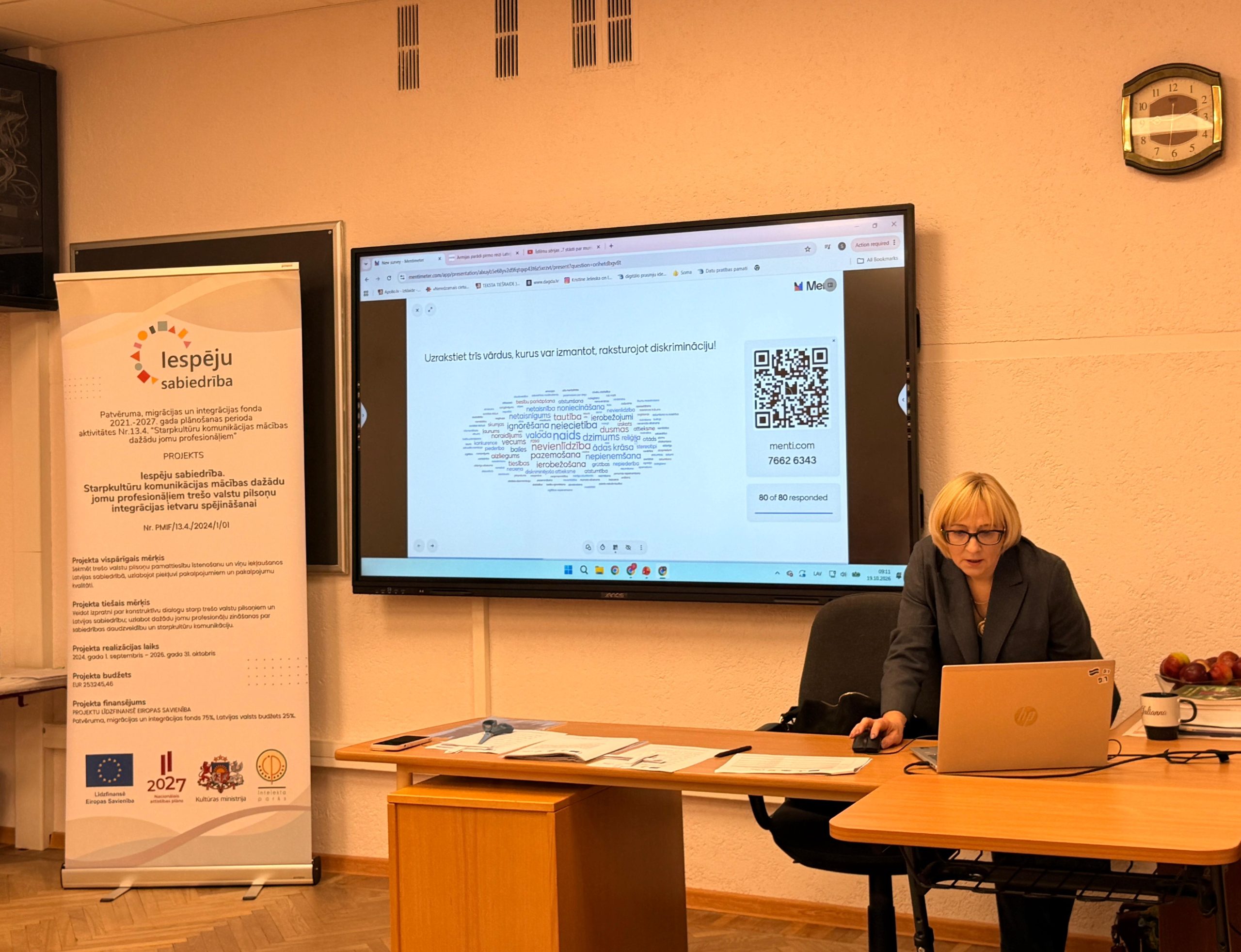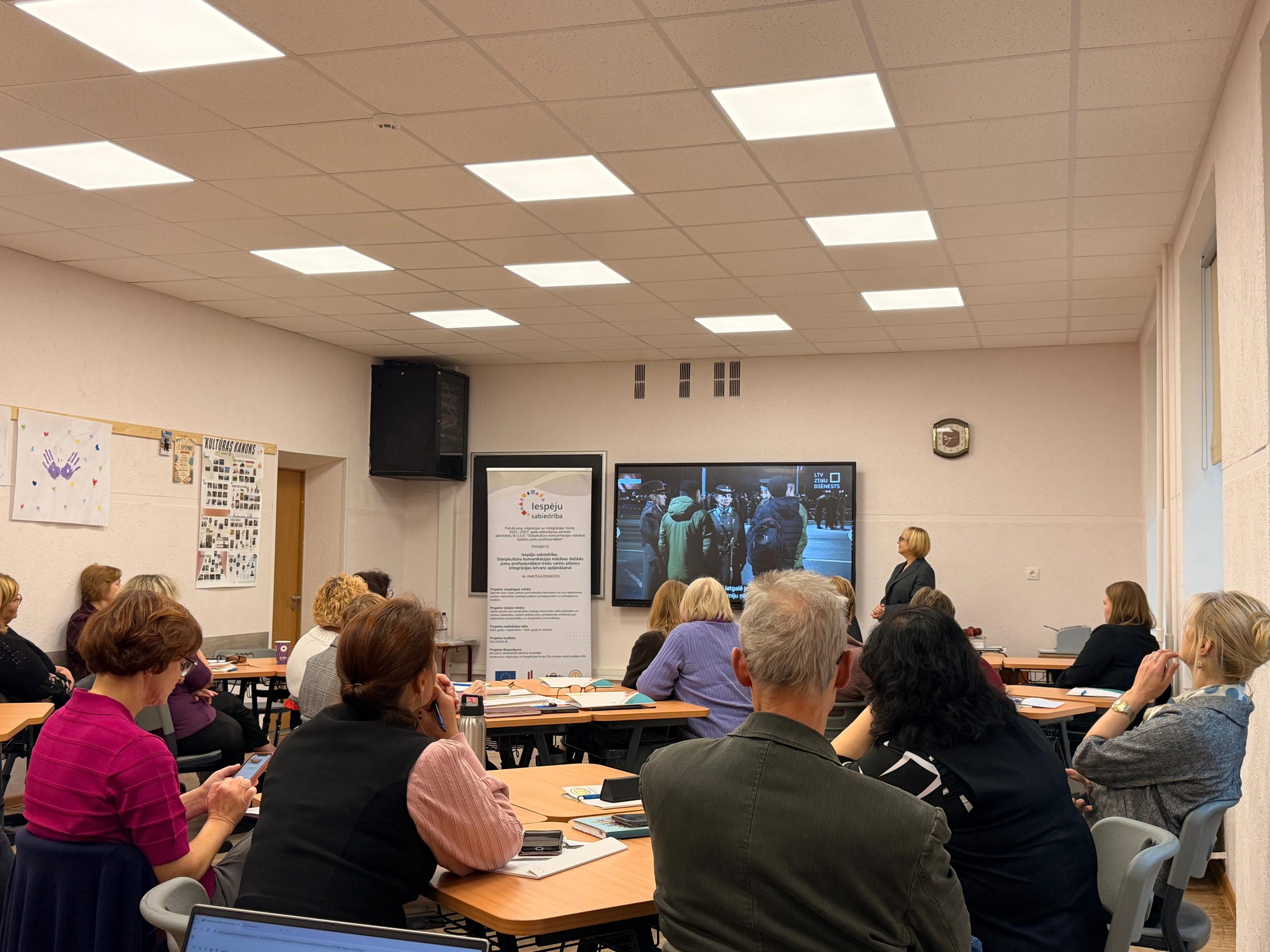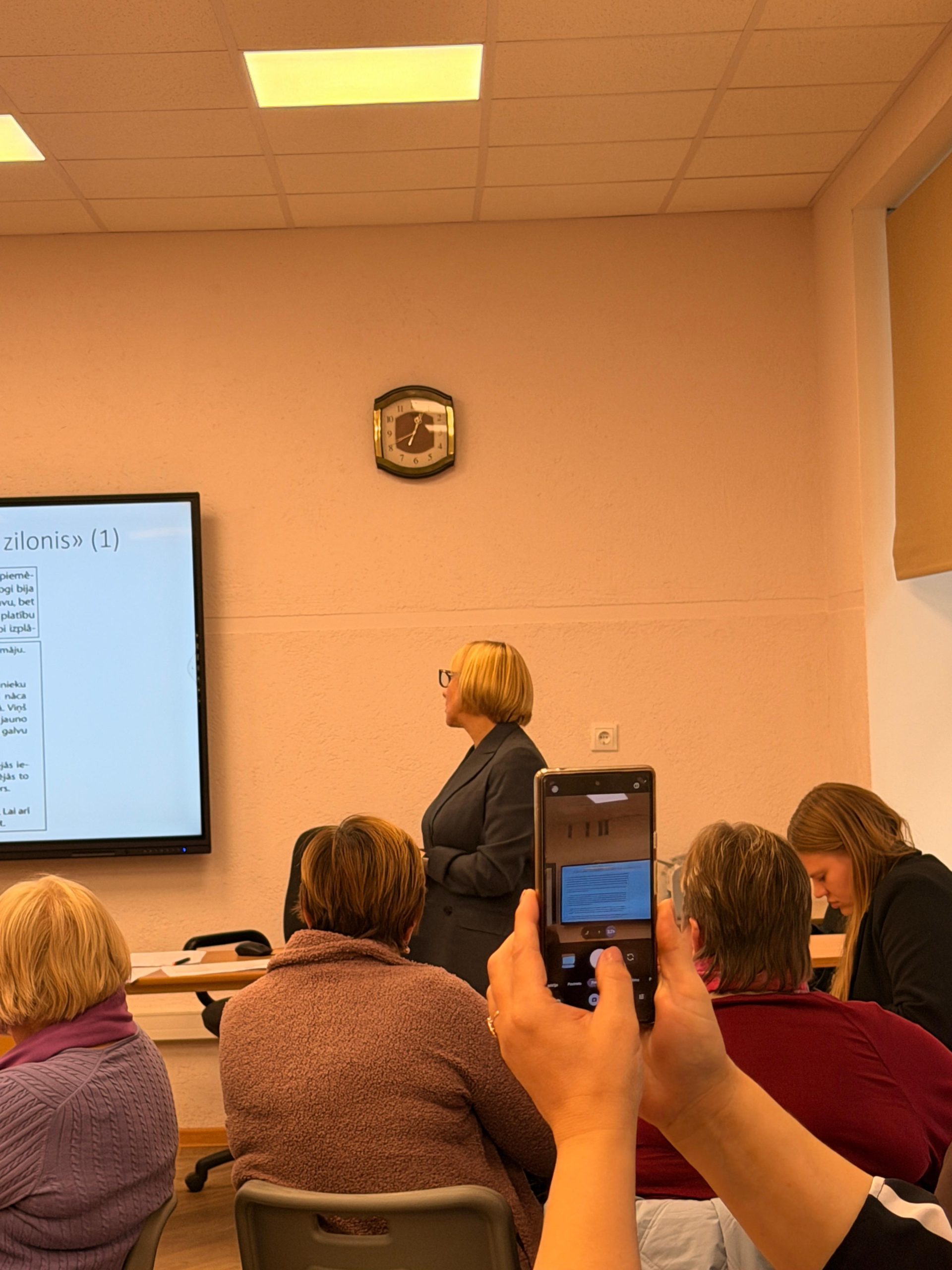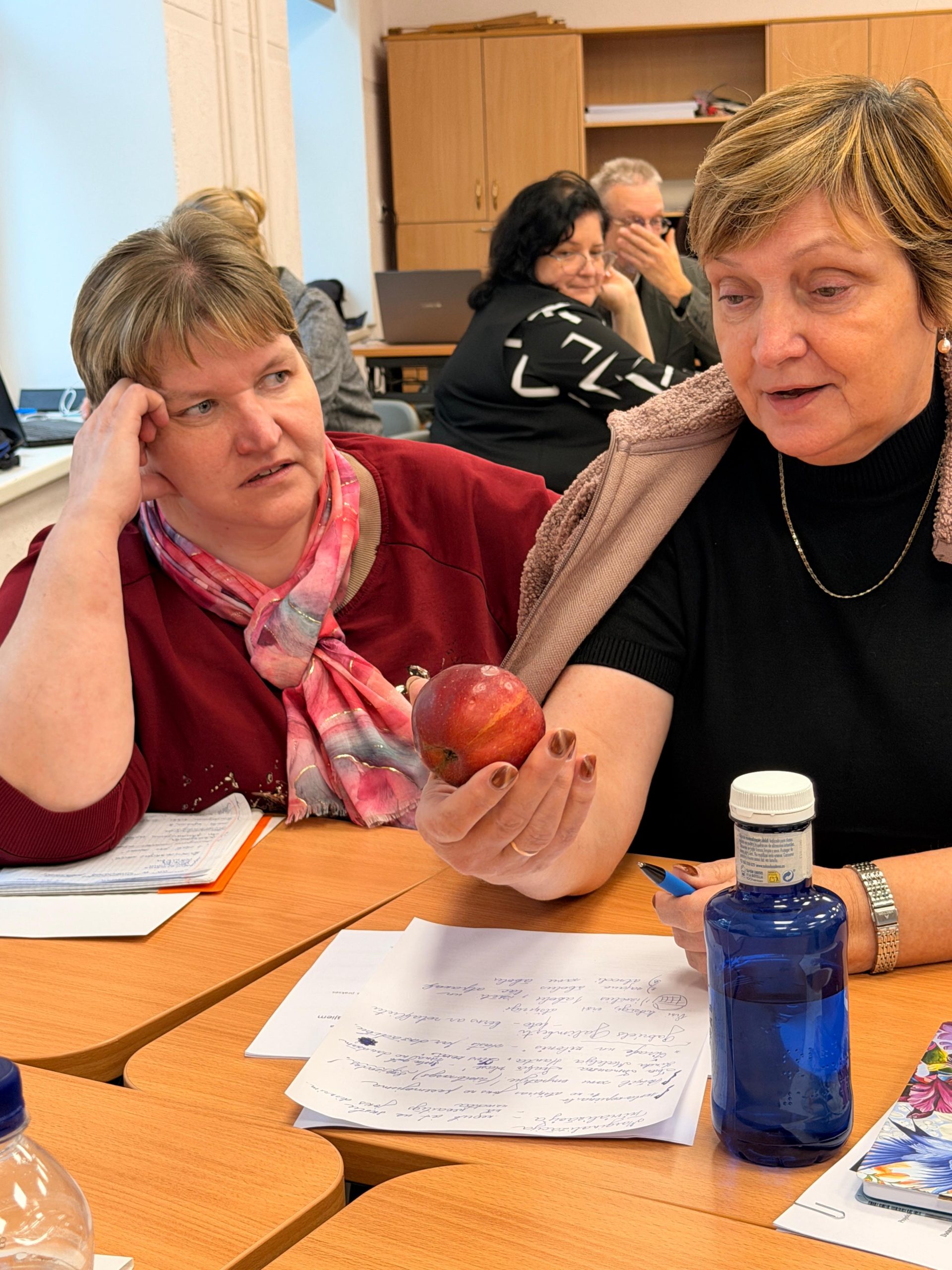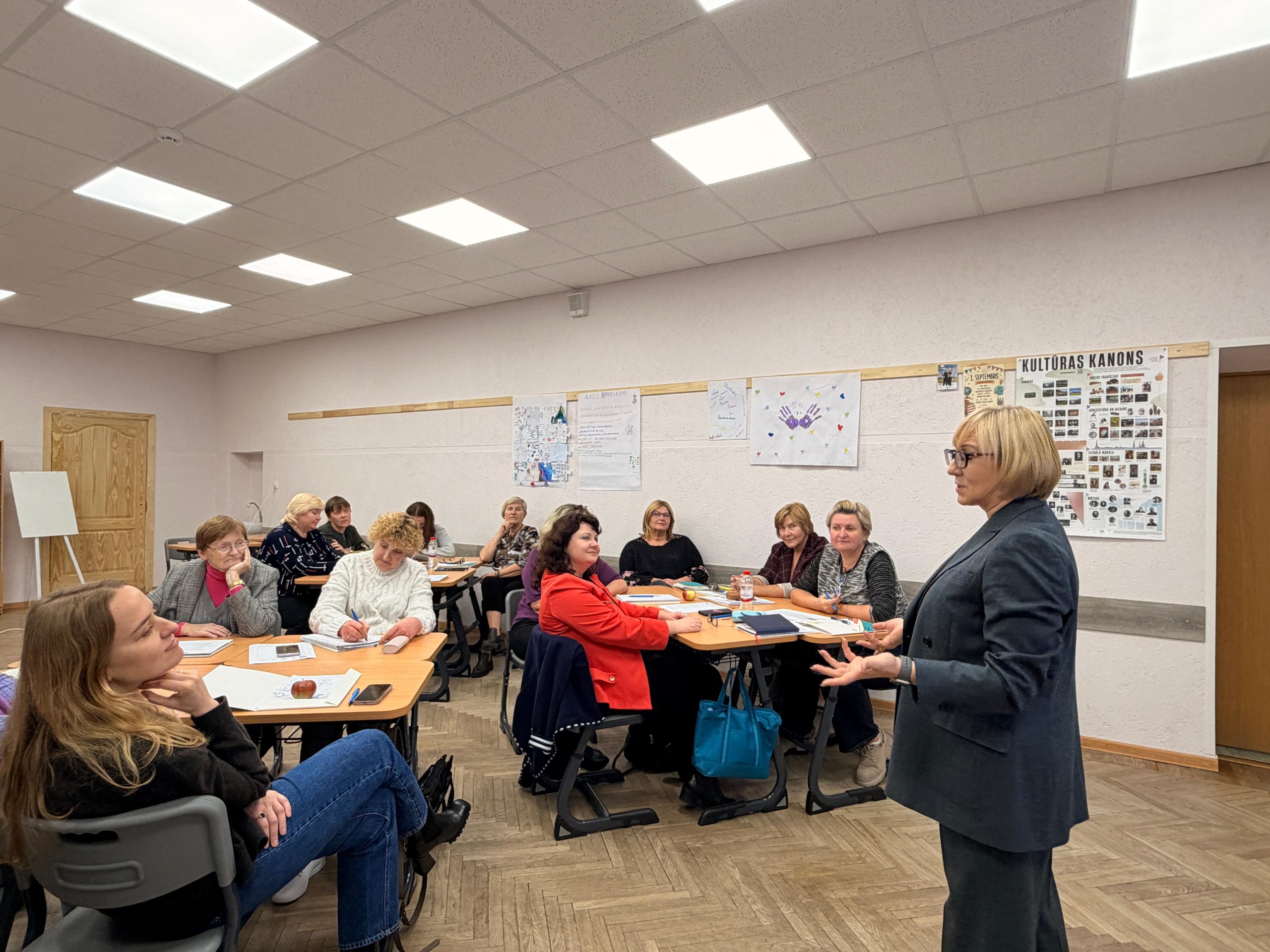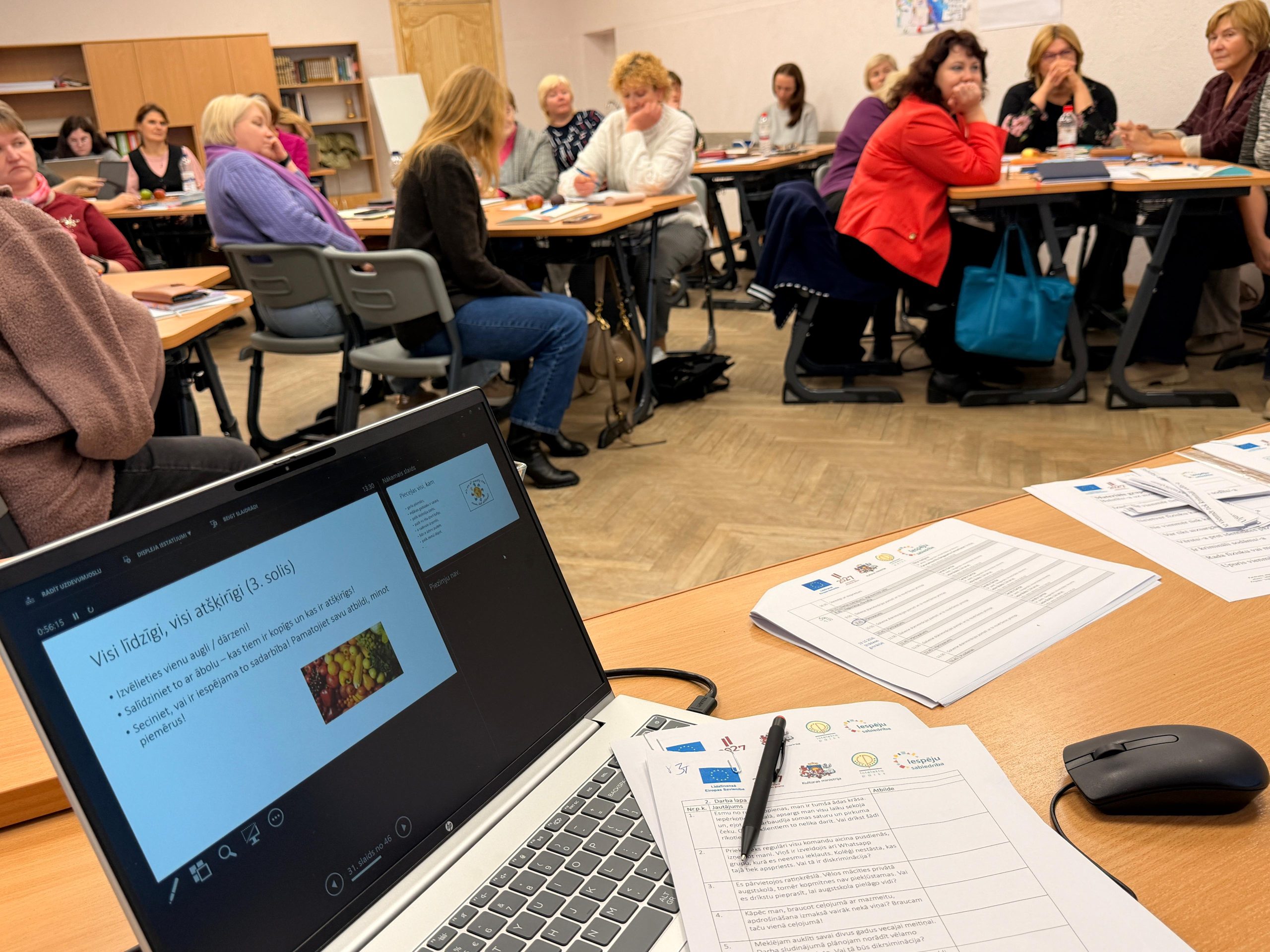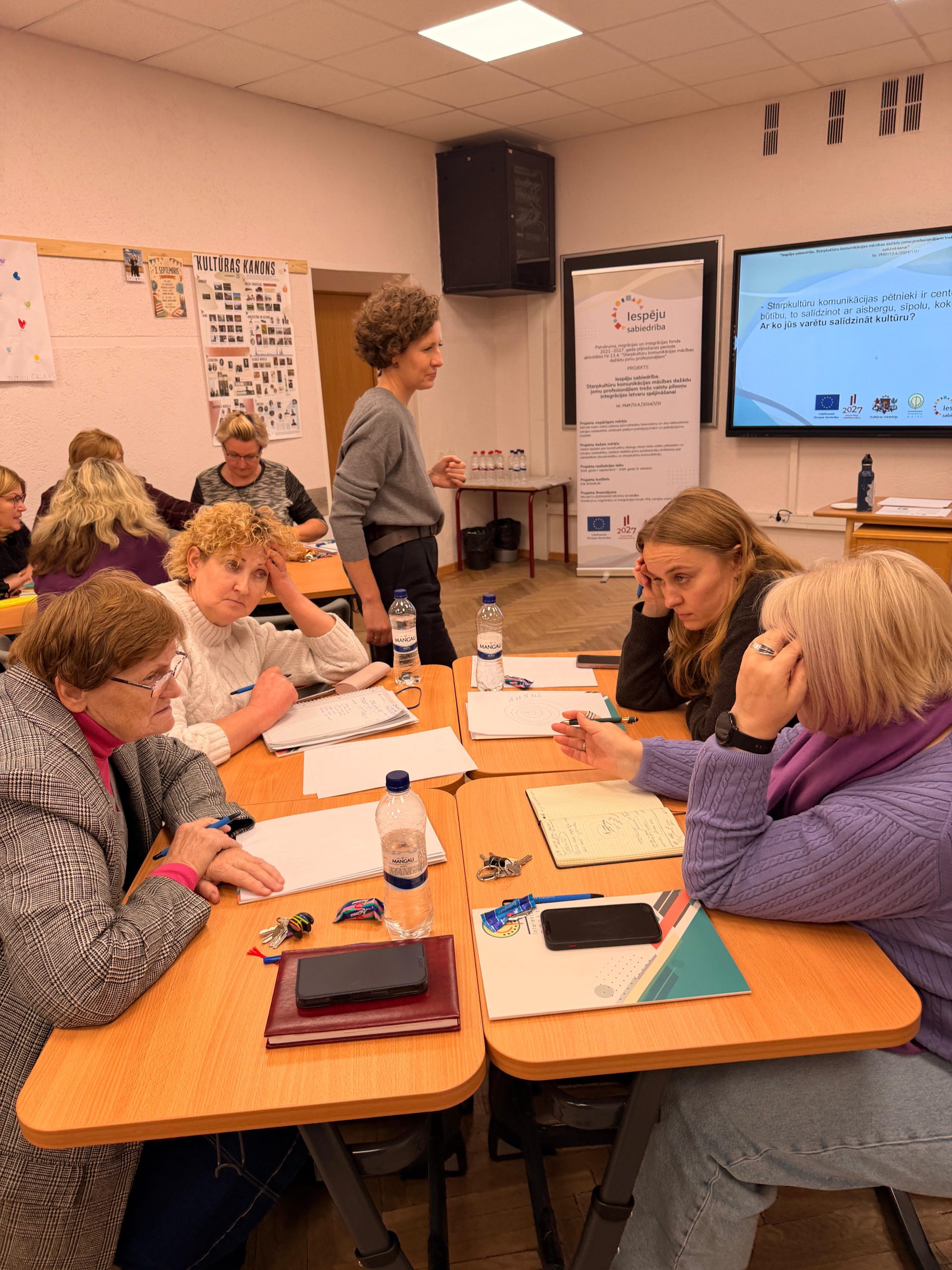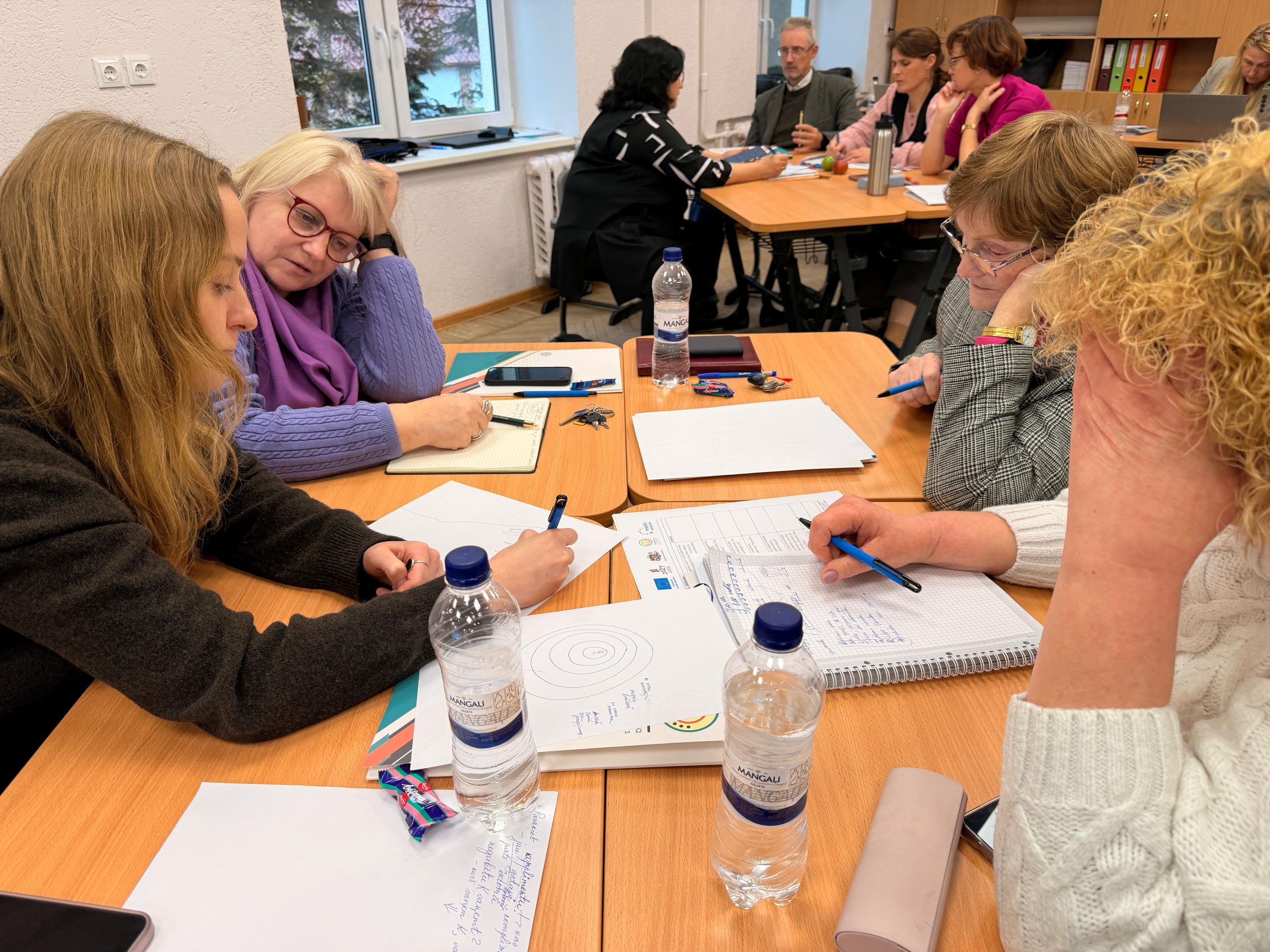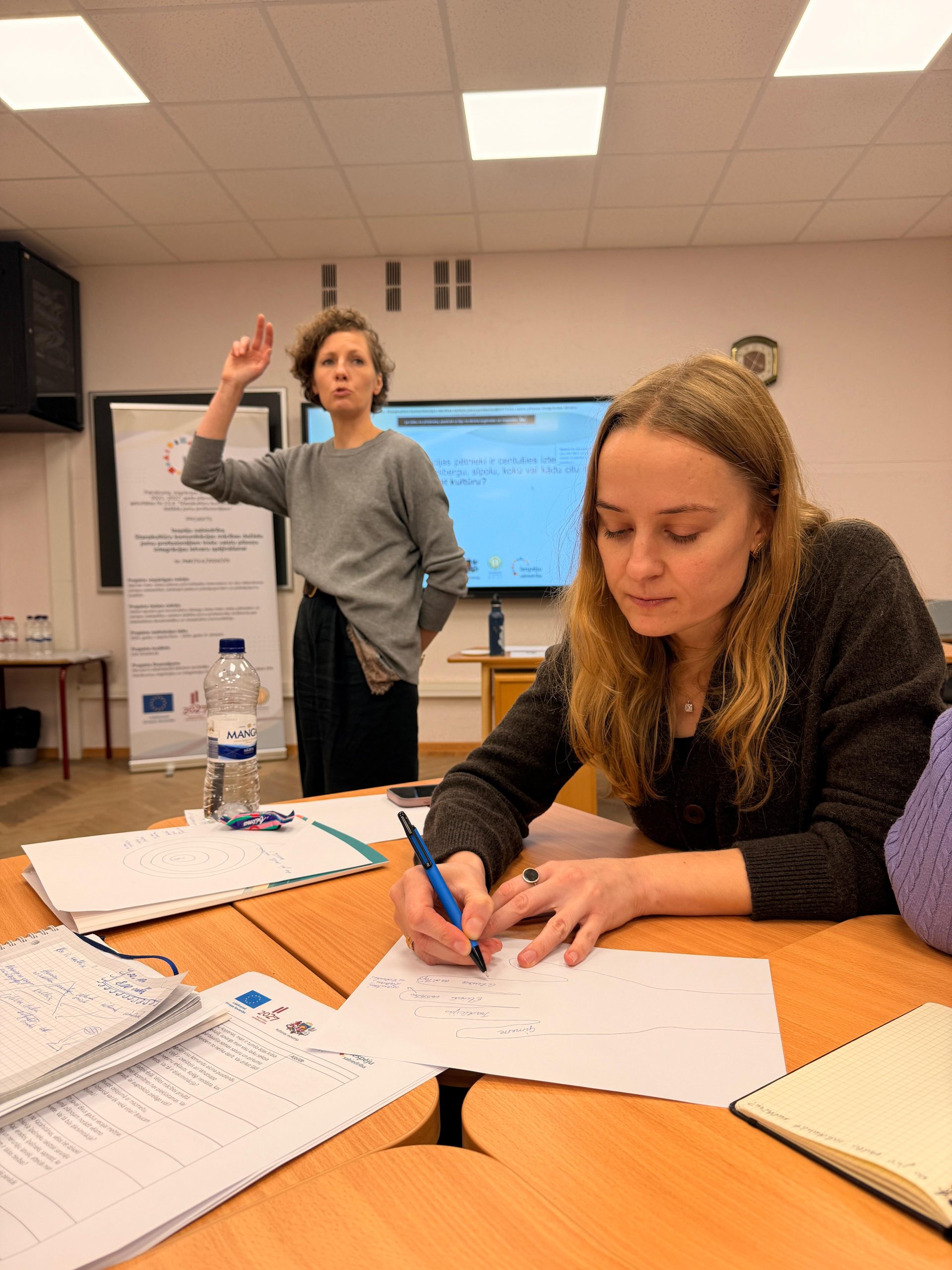
Between 17 and 21 October 2026, the Society “Park of Intellect” organised training on social diversity and intercultural communication, attended by 20 education professionals from Krāslava Municipality. In their everyday professional work, participants interact with third-country nationals – children, their parents, and colleagues – and therefore particular attention was paid to developing the knowledge and skills needed to foster mutual understanding, respectful communication, and successful cooperation in educational settings.
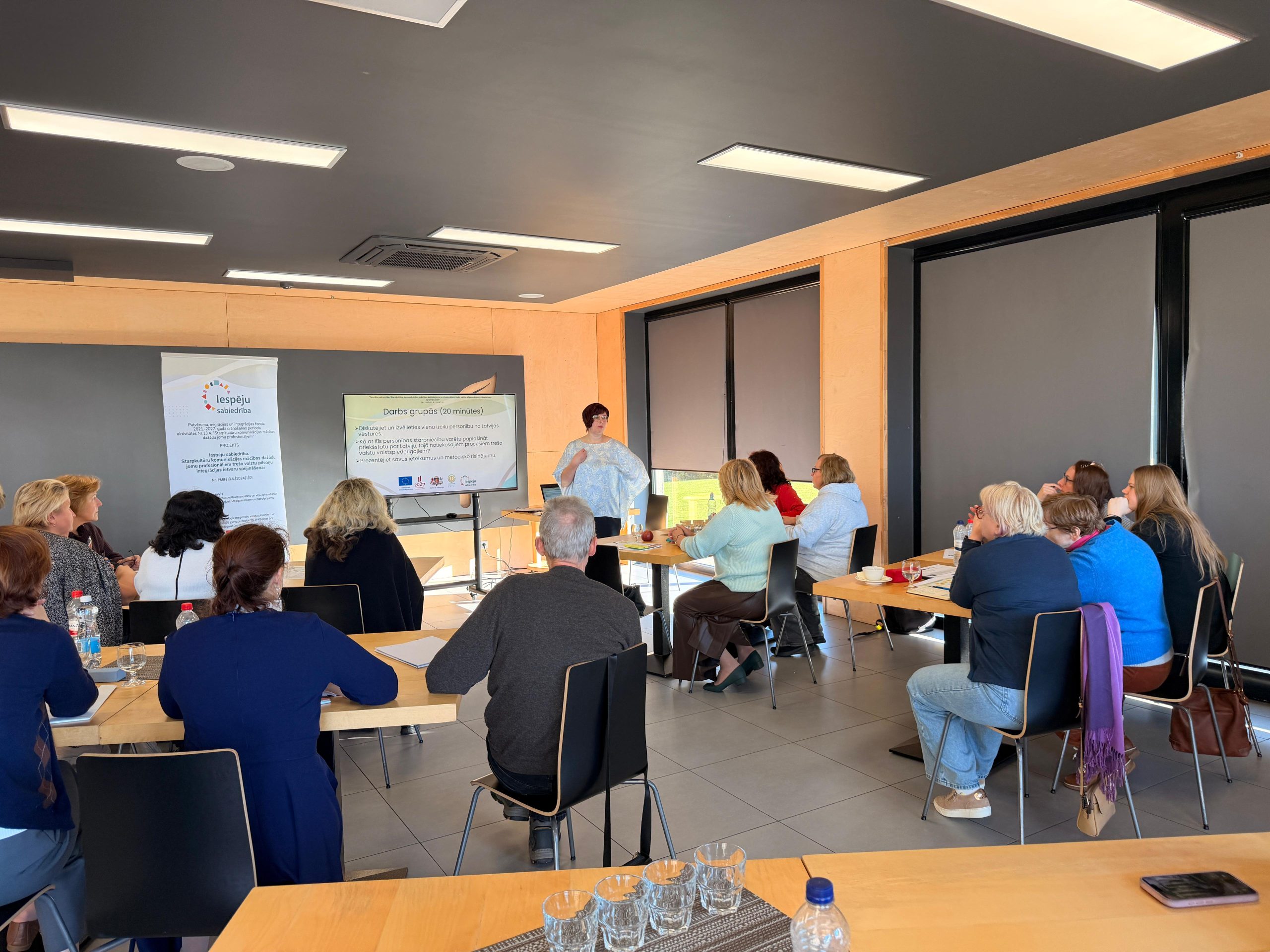
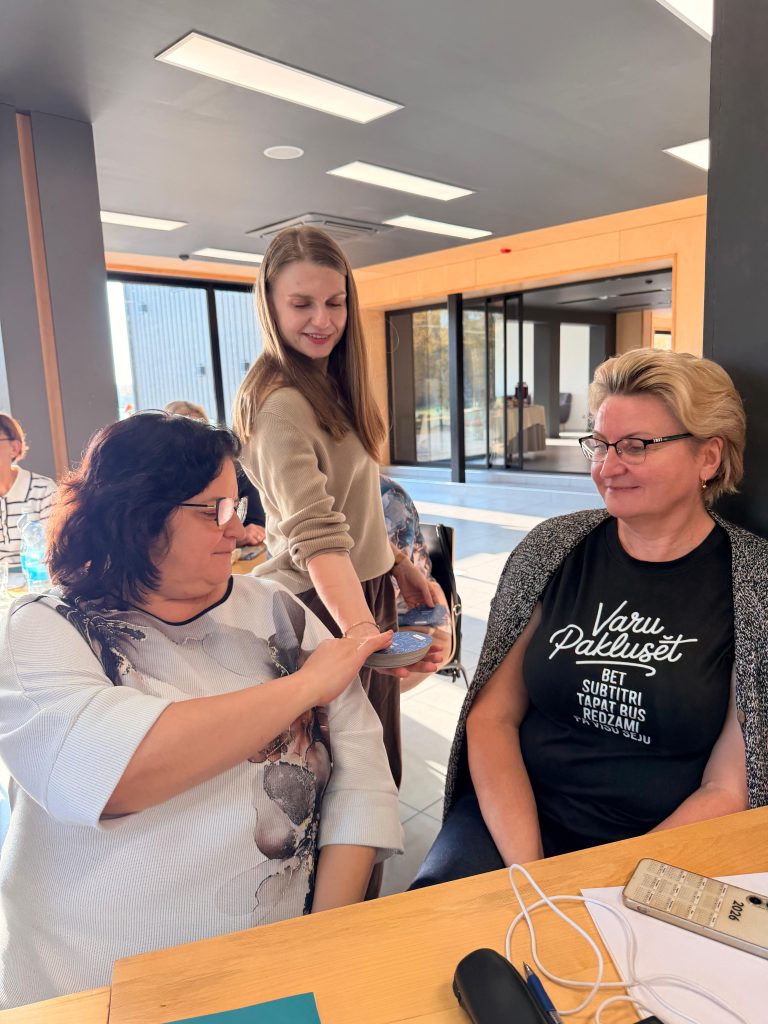
The training took place at Krāslava Gymnasium and the “Lejasmalas” recreation complex. Theoretical insights, practical tasks, and the exchange of experiences helped participants deepen their understanding of cultural diversity and improve their skills for working with third-country nationals.
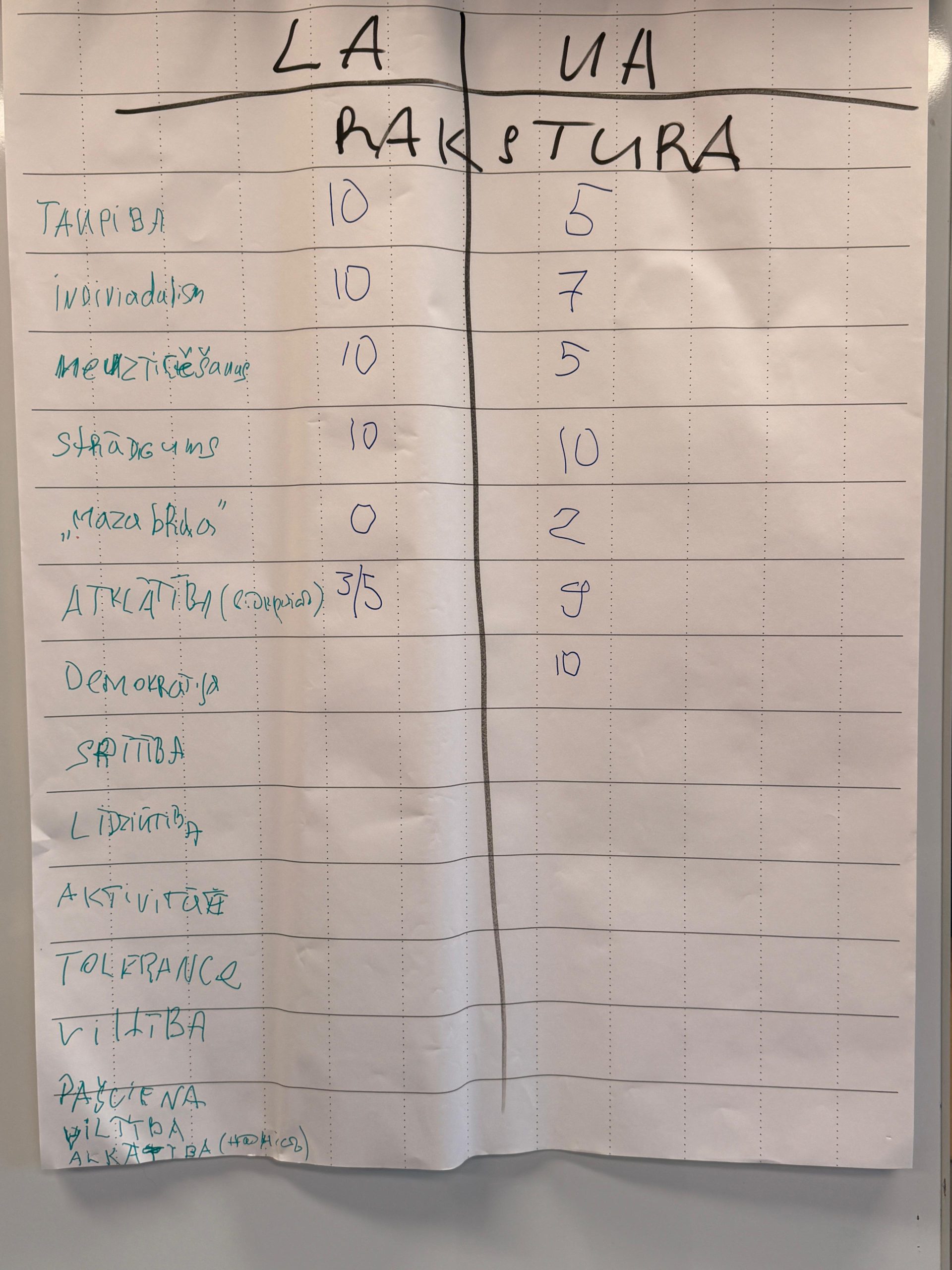
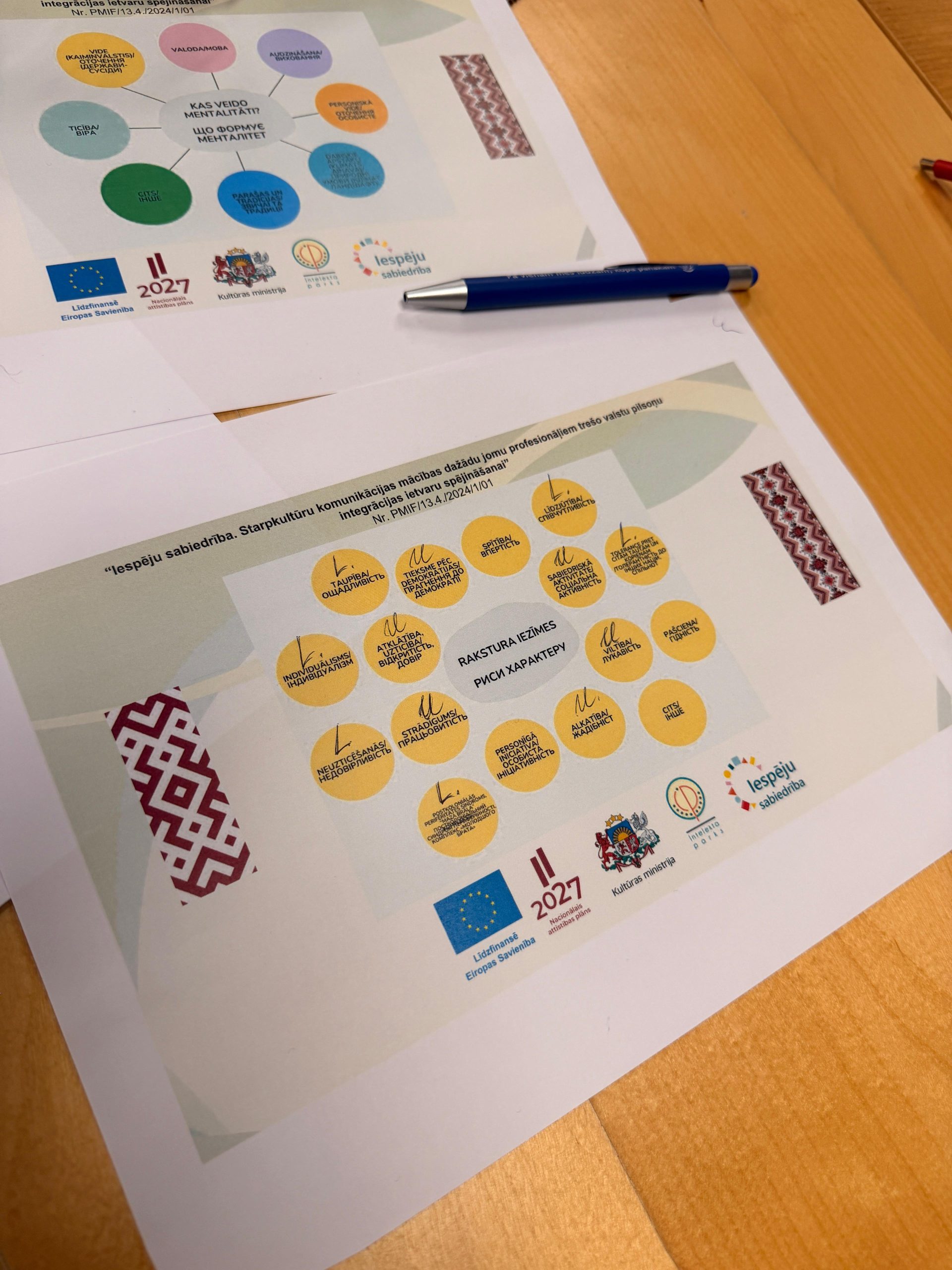
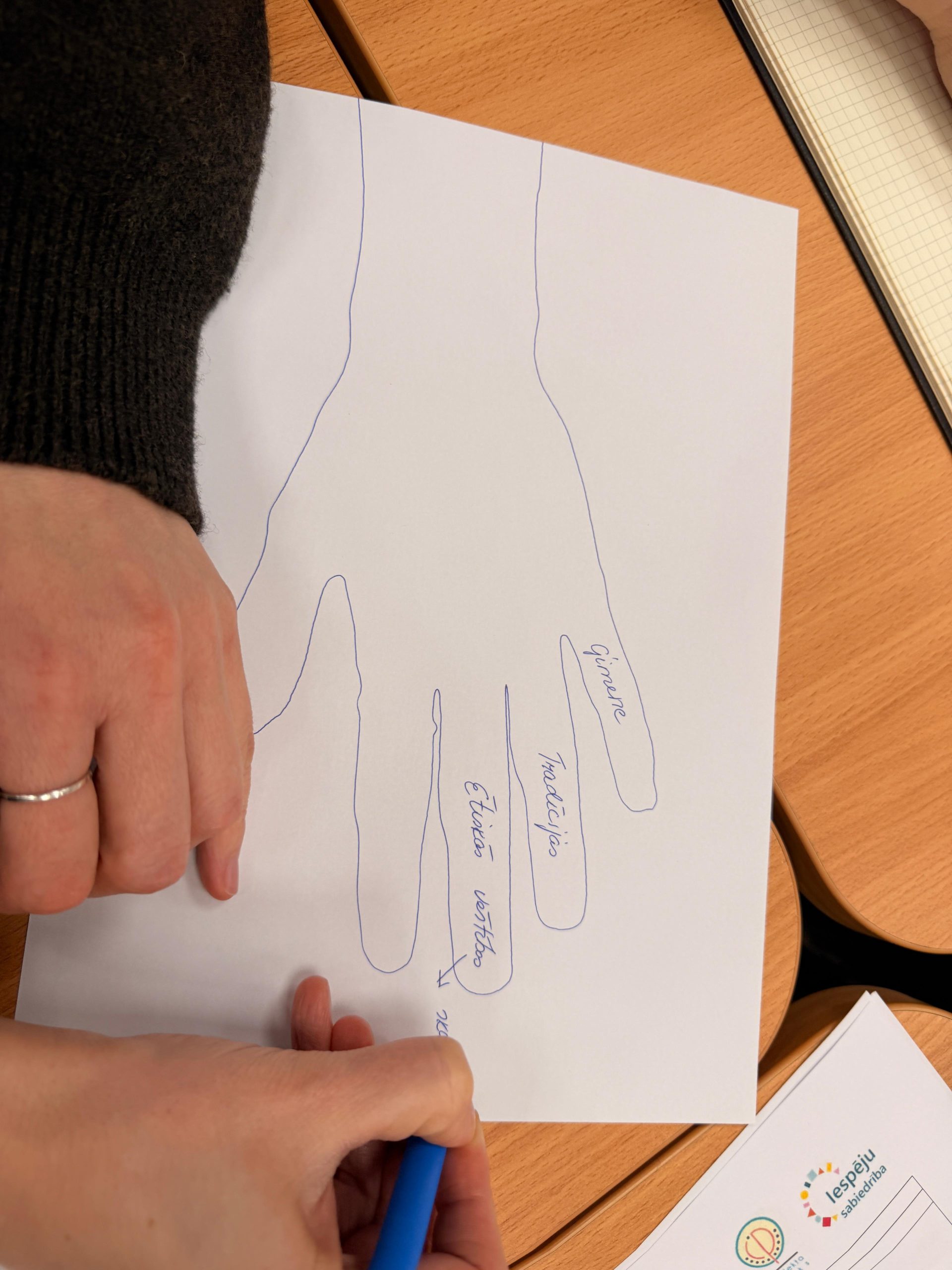
During the training, participants explored the principles of intercultural communication, cultural competence, and the understanding of cultural standards, analysing how different experiences, values, and traditions influence people’s behaviour and communication. Participants examined the mechanisms behind the formation of stereotypes and prejudice, their impact on professional decision-making, and ways to overcome preconceived notions. The sessions also encouraged participants to critically evaluate their own assumptions and consider familiar situations from different perspectives.
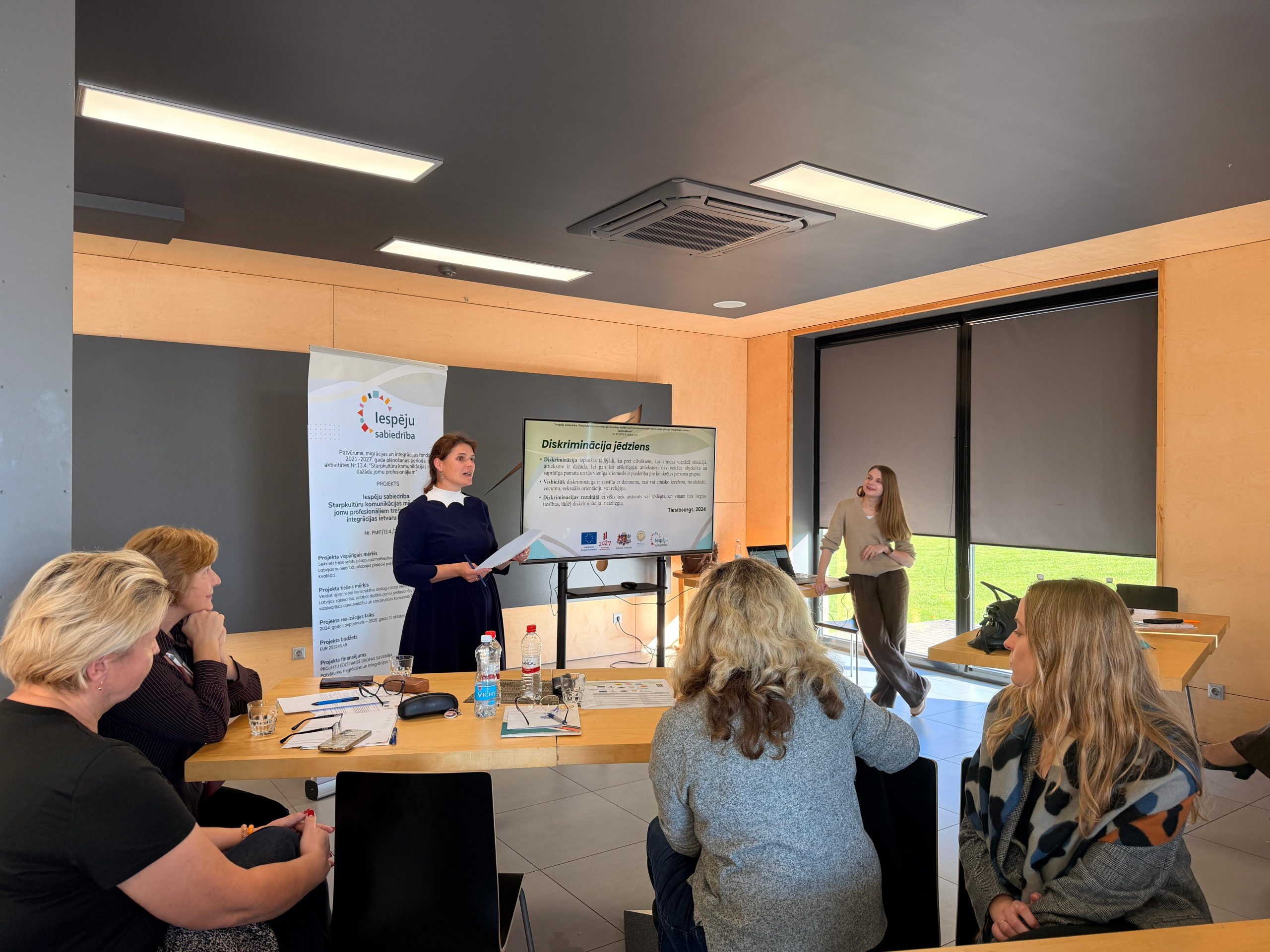
A significant part of the training content was dedicated to recognising and preventing discrimination, understanding hate speech and hate crimes, as well as issues related to international law and professional ethics. These topics were linked to the everyday work of education professionals, including communication with families, the integration of children into educational institutions, and ensuring equal and respectful treatment.
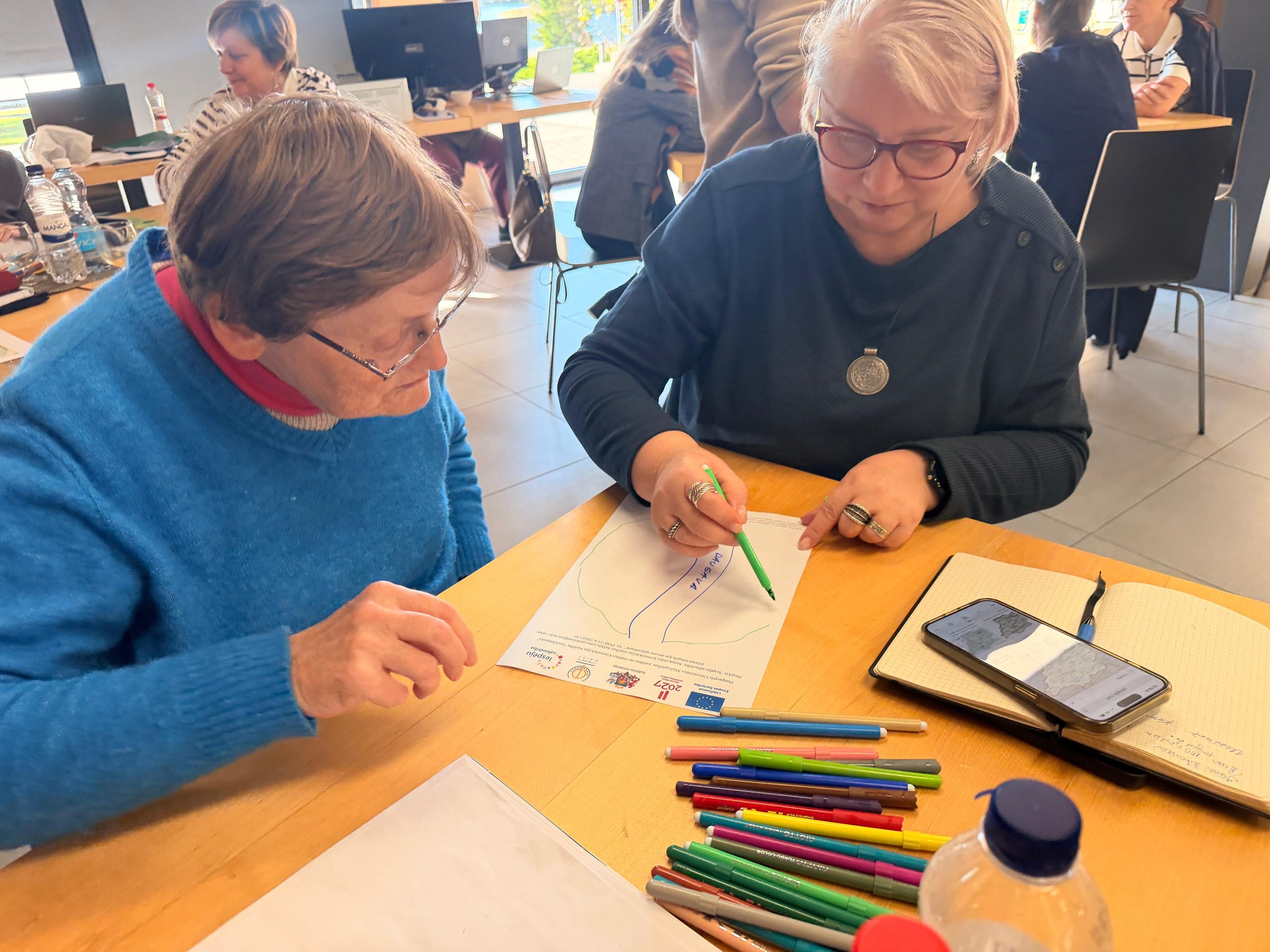
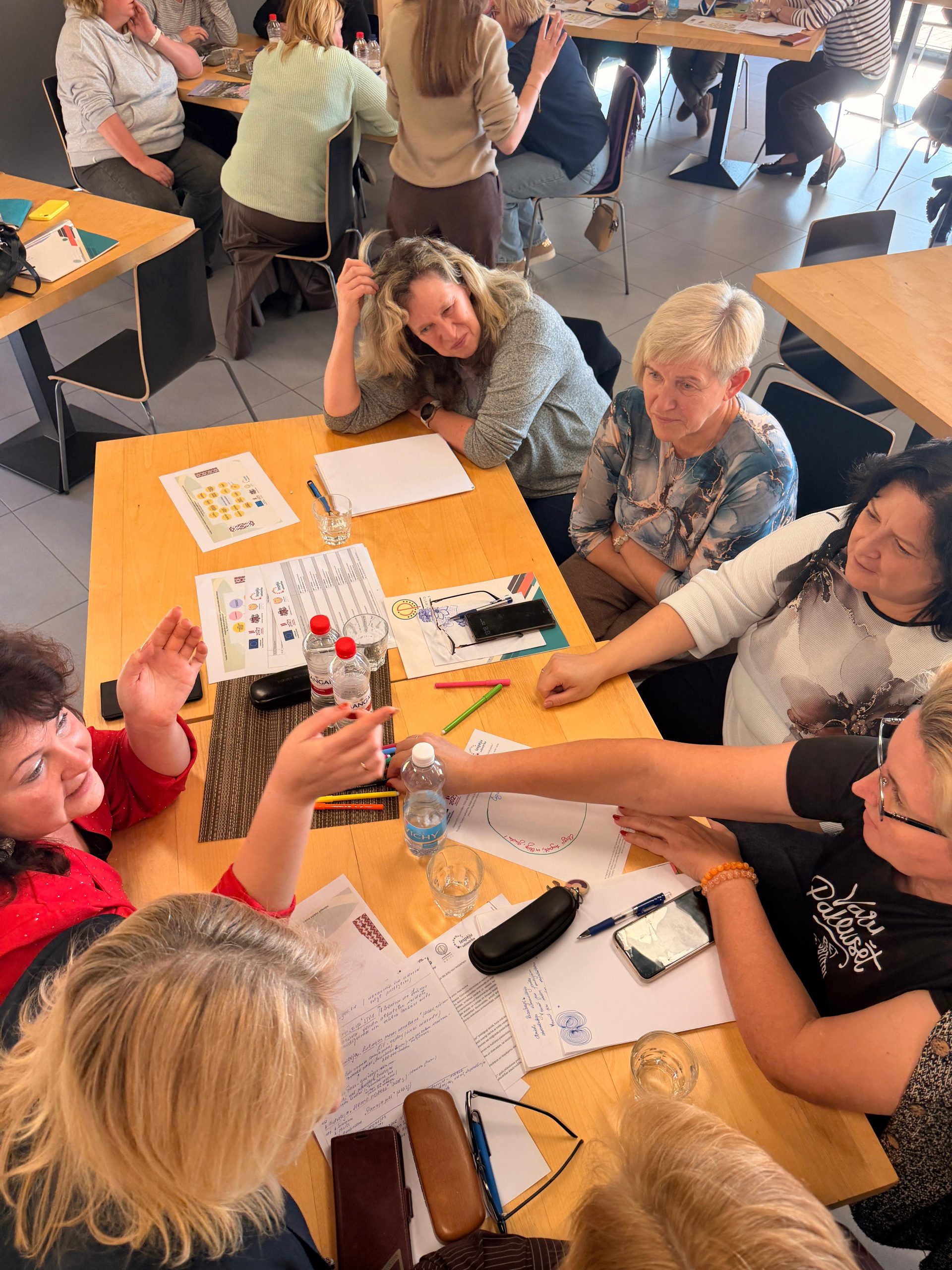
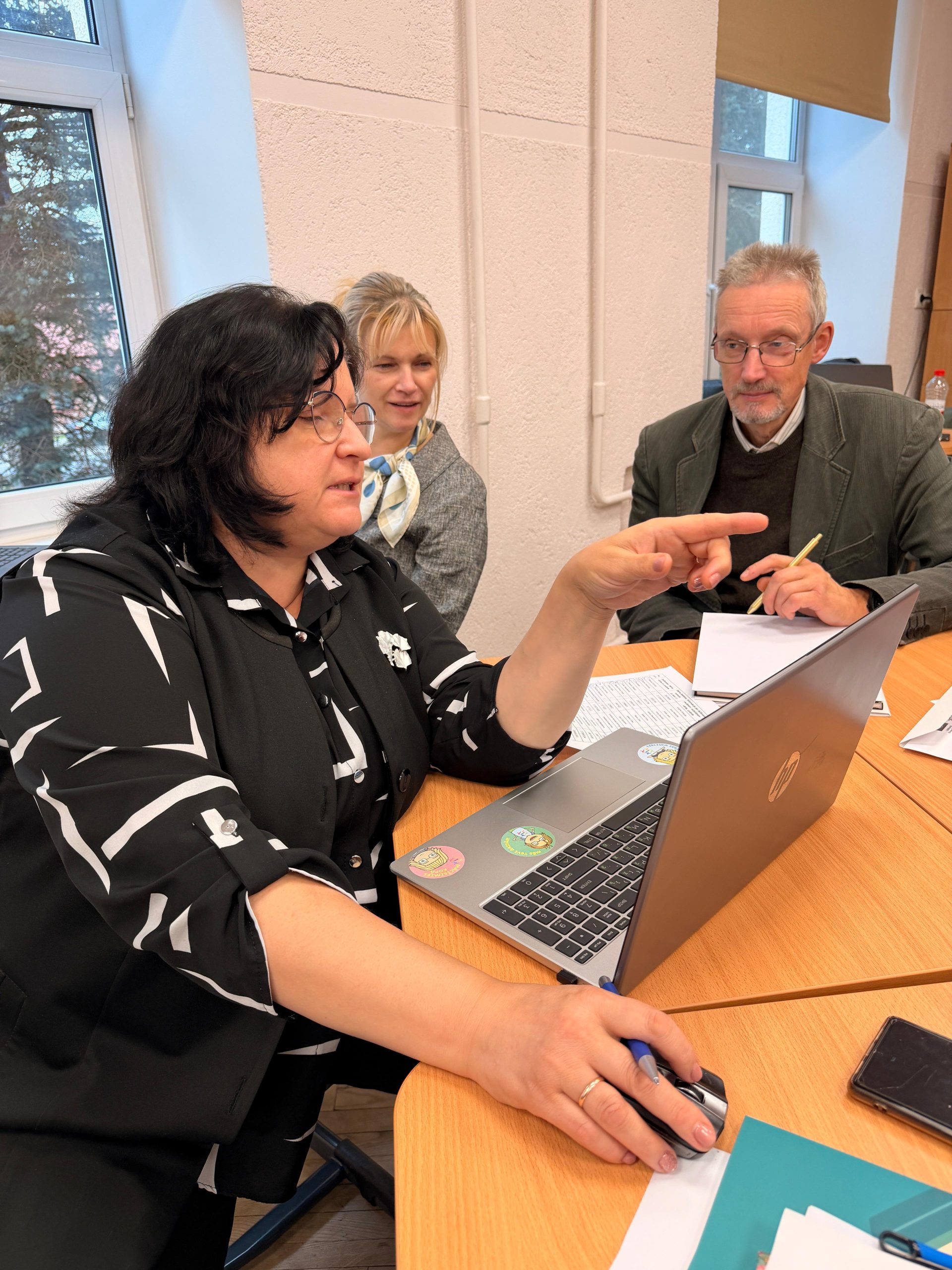
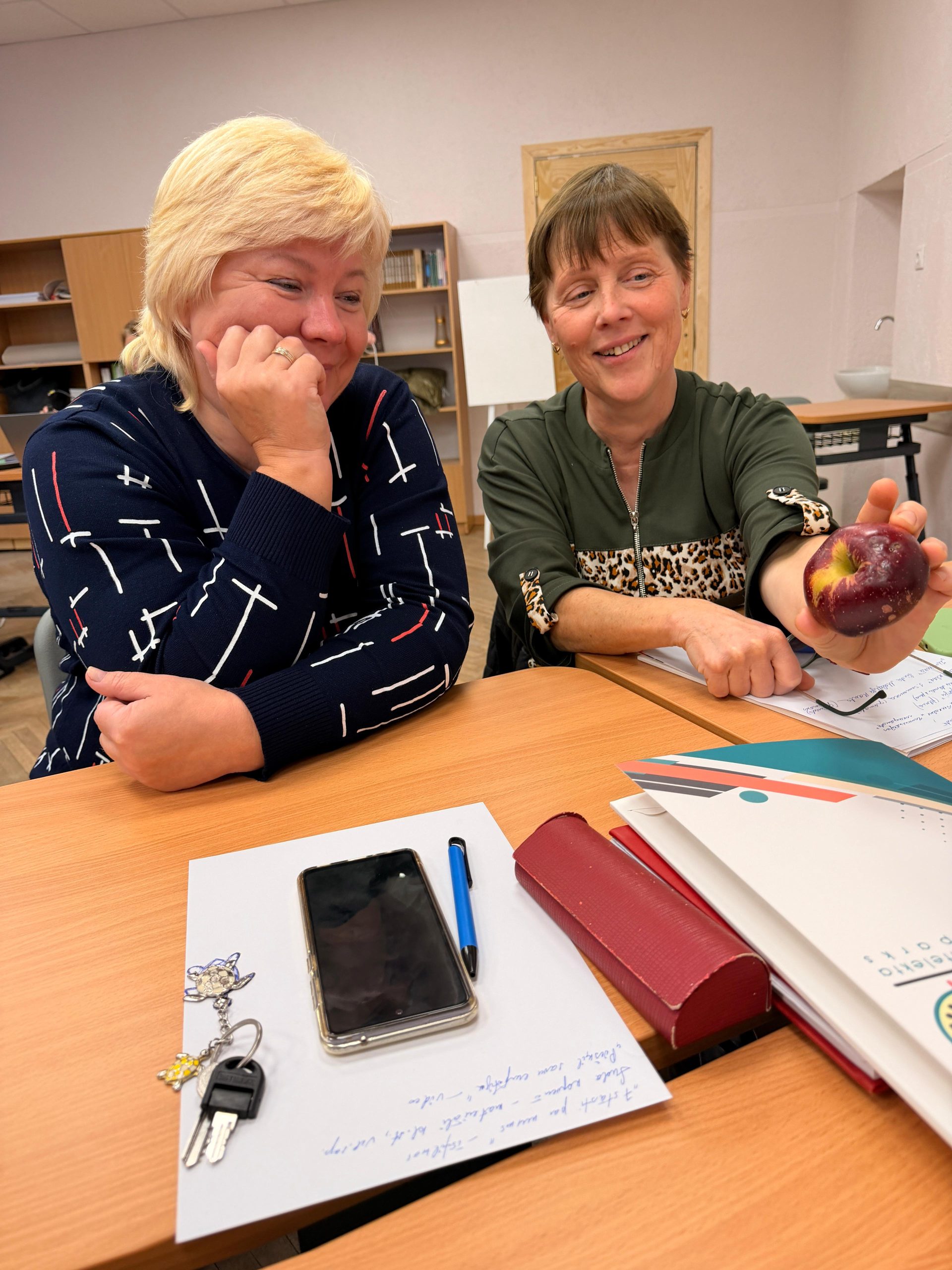
Through discussions, group work, and case analysis, participants evaluated different approaches to resolving communication difficulties and misunderstandings. Attention was also given to conflict resolution and the principles of mediation, developing participants’ ability to listen to different perspectives and seek solutions that foster mutual trust.
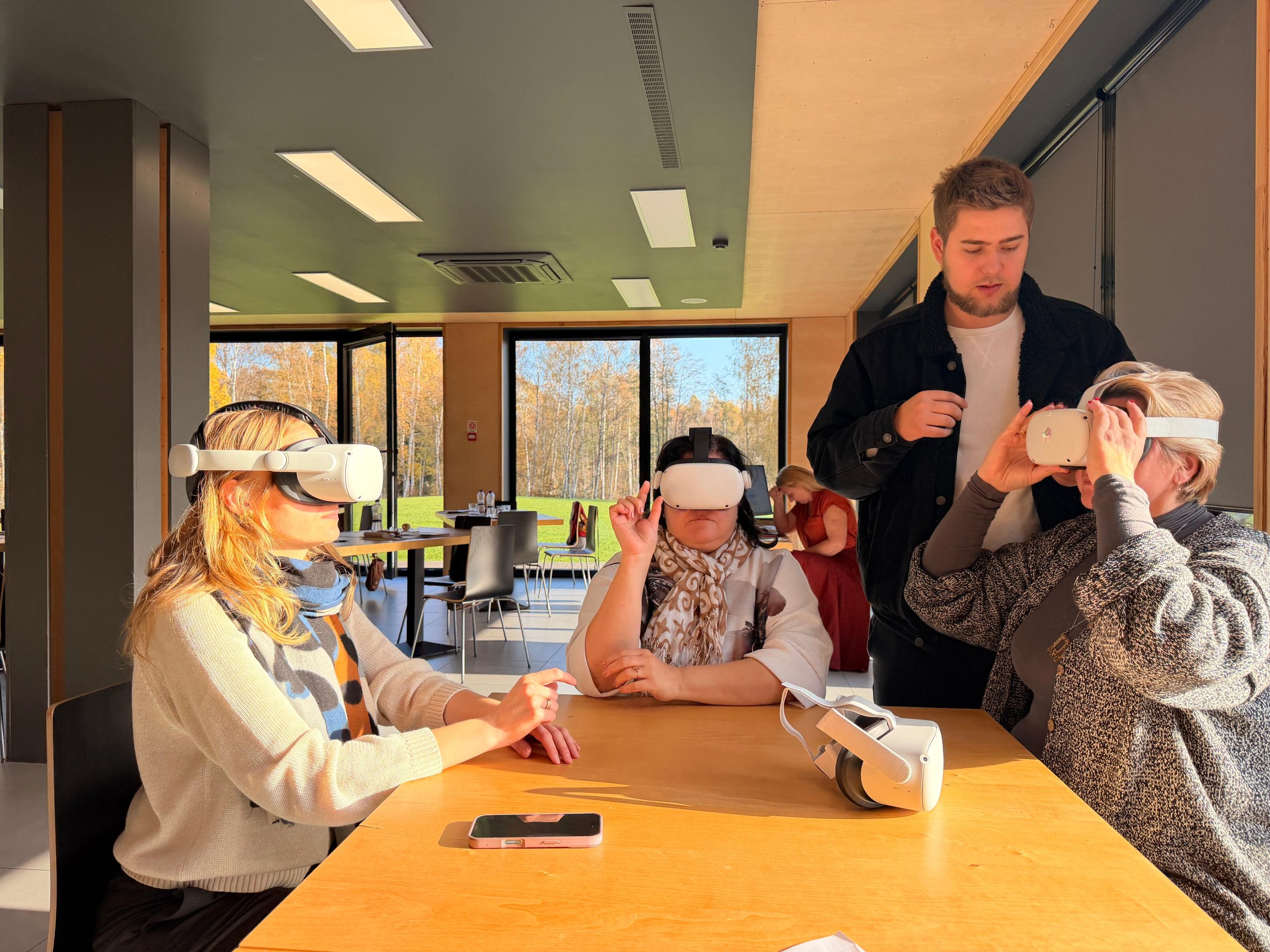
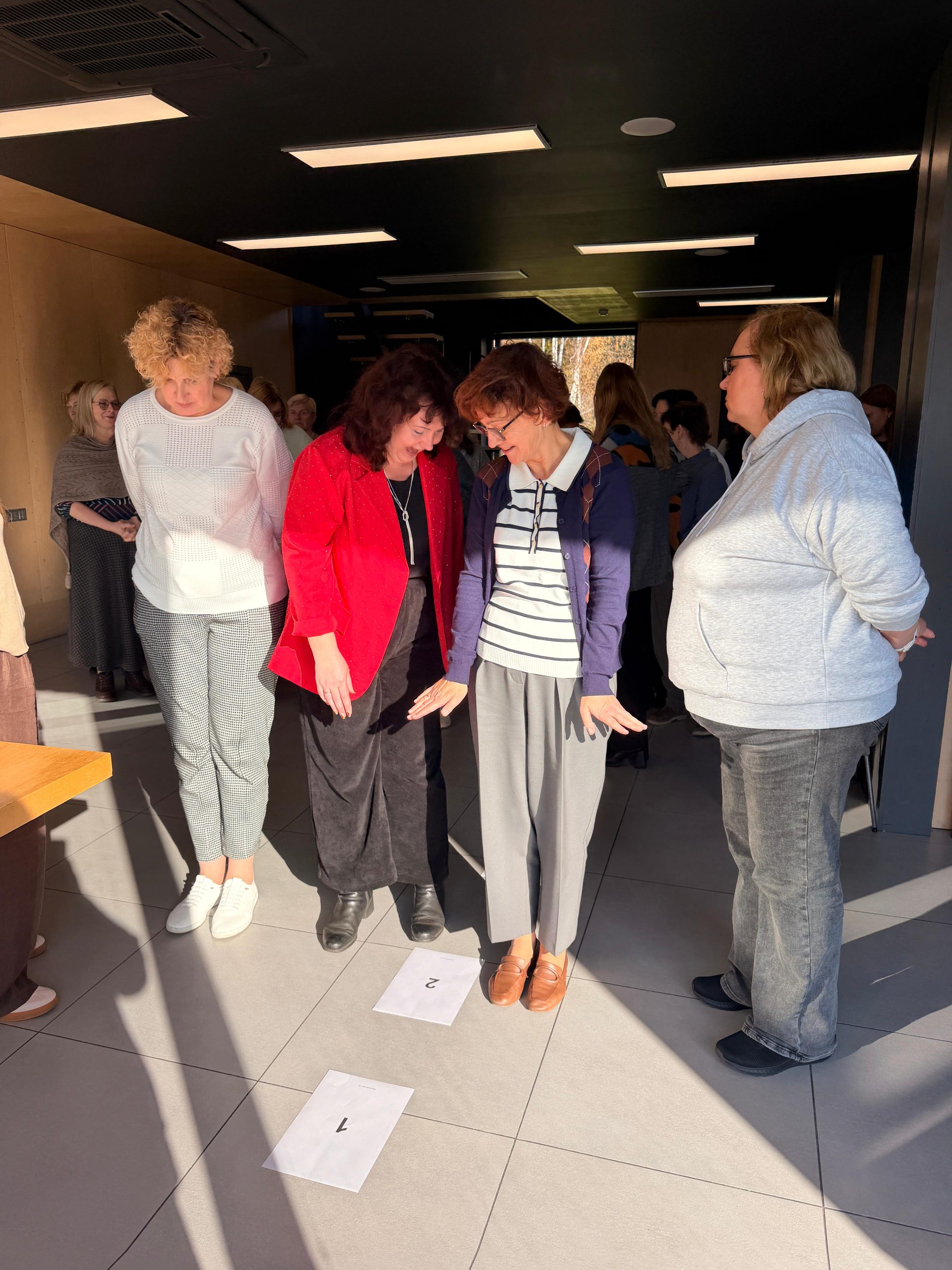
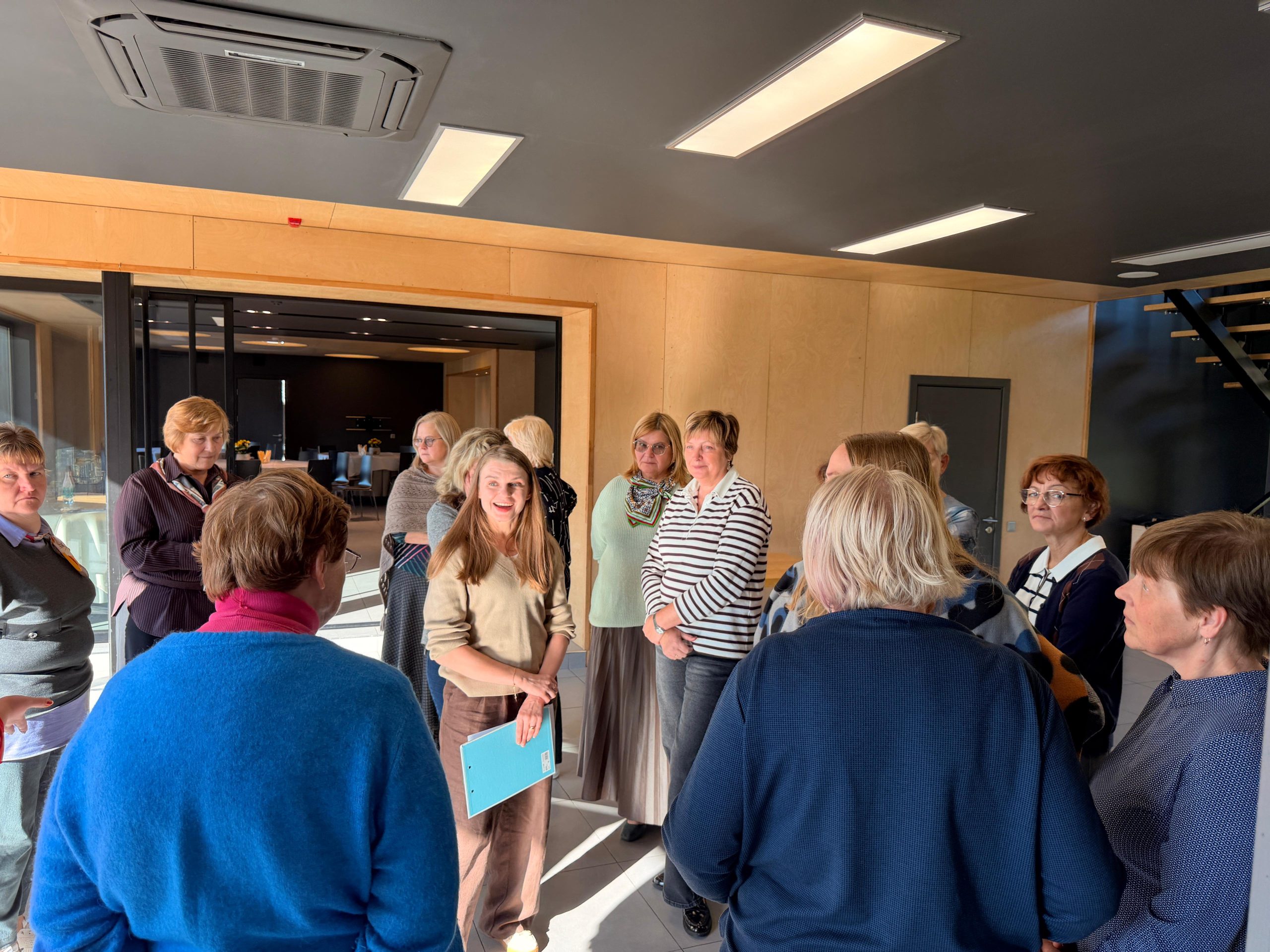
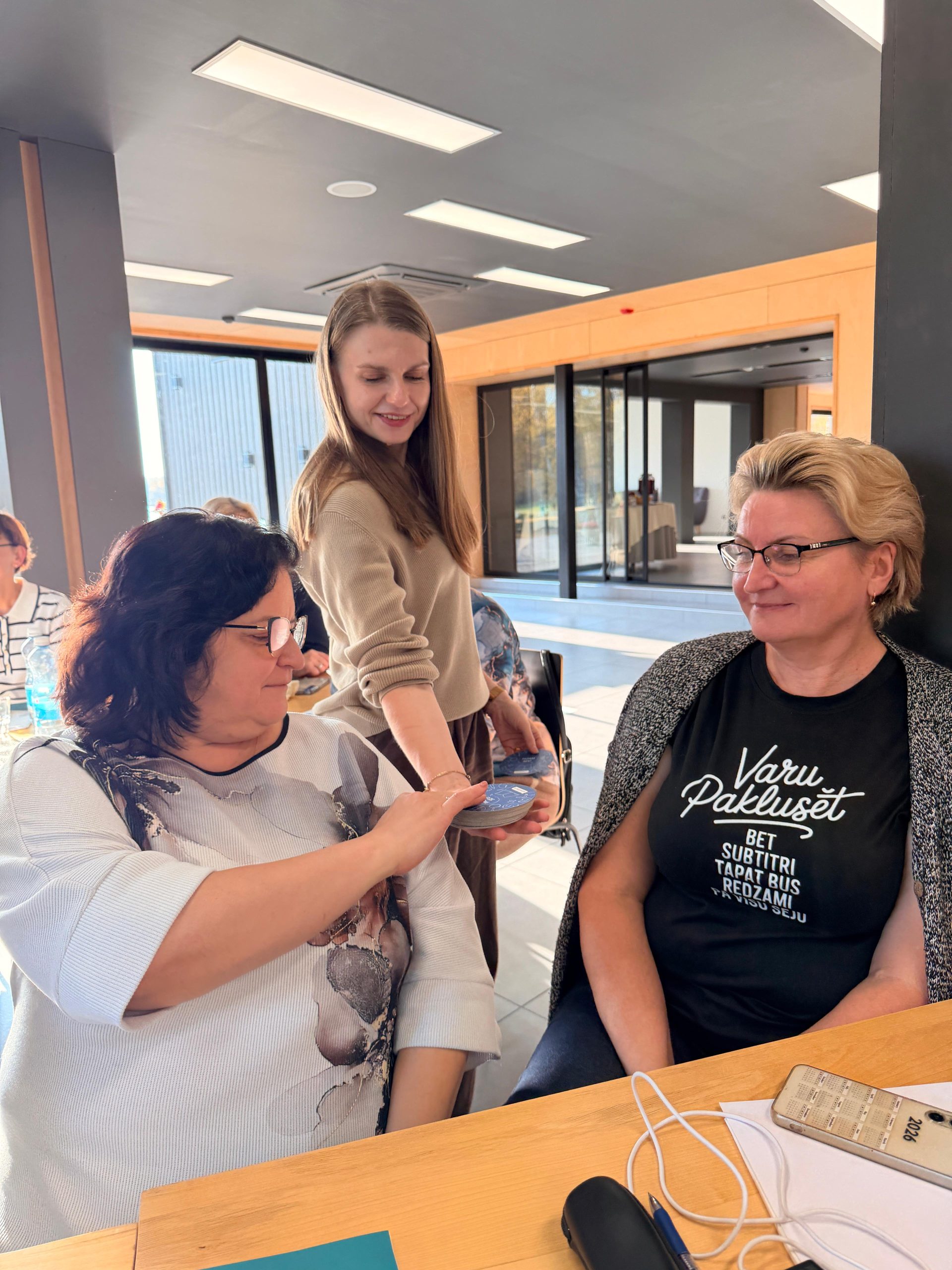
The training sessions held at the “Lejasmalas” recreation complex provided an opportunity to explore the course content in greater depth, continue professional discussions outside the classroom, and collaborate on practical tasks. Learning together and sharing experiences helped participants connect the topics covered with specific workplace situations and reflect on how to apply the knowledge gained in their own educational institutions.
The value of the training was particularly well reflected in the feedback received: “Heartfelt thanks for the intellectually stimulating and conceptually unconventional courses, which broadened our horizons, encouraged critical thinking, and offered new perspectives on familiar things.” This assessment highlights the importance of the training not only in expanding professional knowledge but also in developing the ability to recognise different experiences and interpretations, reconsider existing assumptions, and make more conscious choices regarding communication and cooperation approaches when working with third-country nationals.
The Society “Park of Intellect” extends its gratitude to all participants for their active involvement, openness to discussion, and willingness to develop their professional skills, thereby contributing to the creation of an inclusive educational environment.
The training was implemented within the framework of the project “Society of Opportunities. Intercultural Communication Training for Professionals from Various Fields to Strengthen the Framework for the Integration of Third-Country Nationals”, No. PMIF/13.4./2024/1/01.
This publication has been produced with the support of the Asylum, Migration and Integration Fund.
Responsibility for the content of the publication lies with the Daugavpils University Society for Lifelong Learning, Culture, and Science Communication “Park of Intellect”.
Project funding: THE PROJECT IS CO-FINANCED BY THE EUROPEAN UNION.
Asylum, Migration and Integration Fund – 75%, Latvian state budget – 25%.