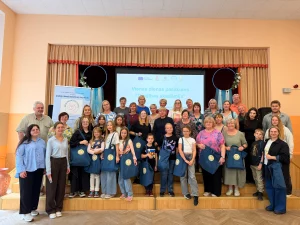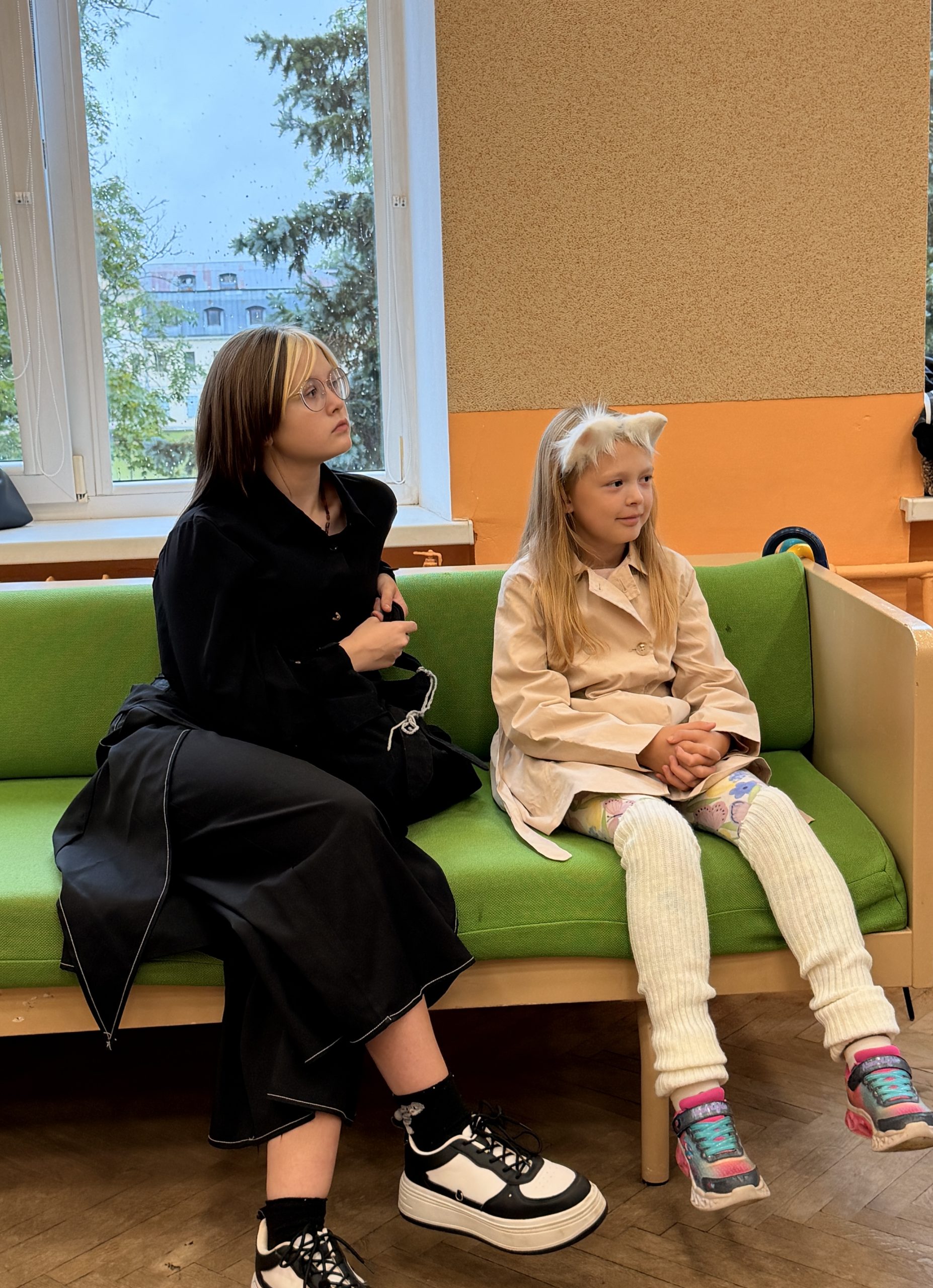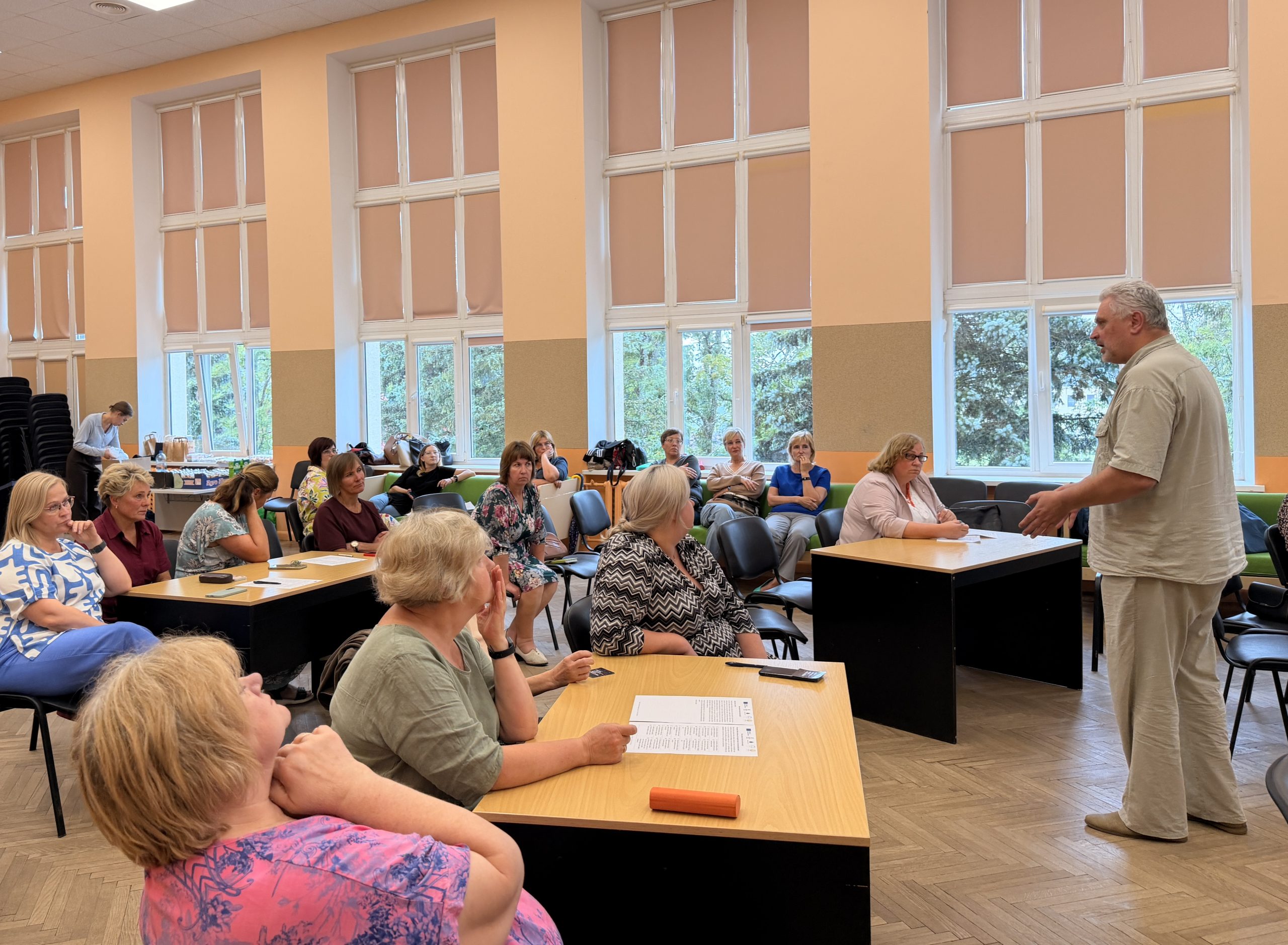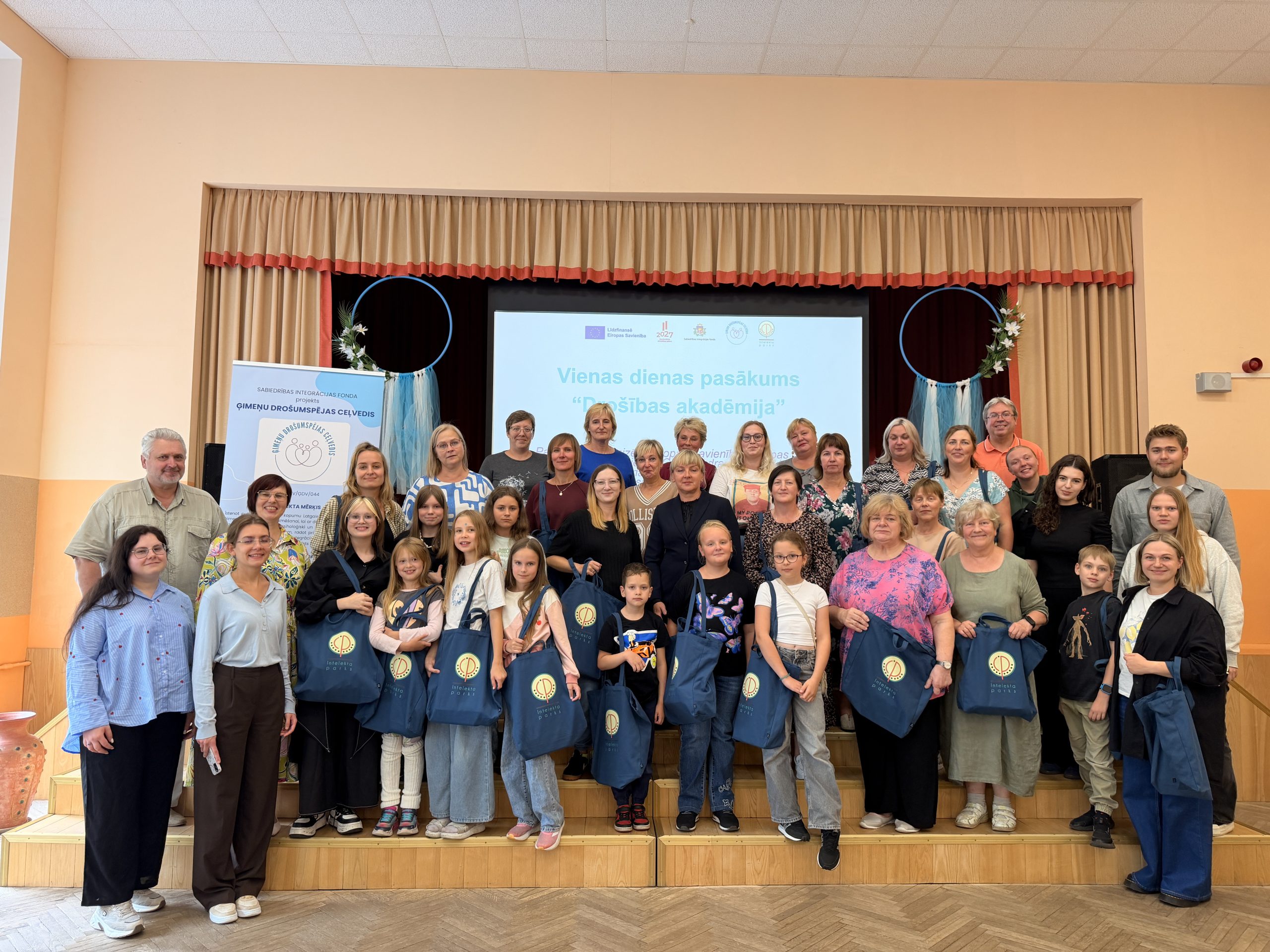
On 20 August 2026, the family event “Safety Academy” was held at Krāslava Gymnasium, where participants strengthened their knowledge of safe behaviour in everyday life, crisis situations, and the digital environment.
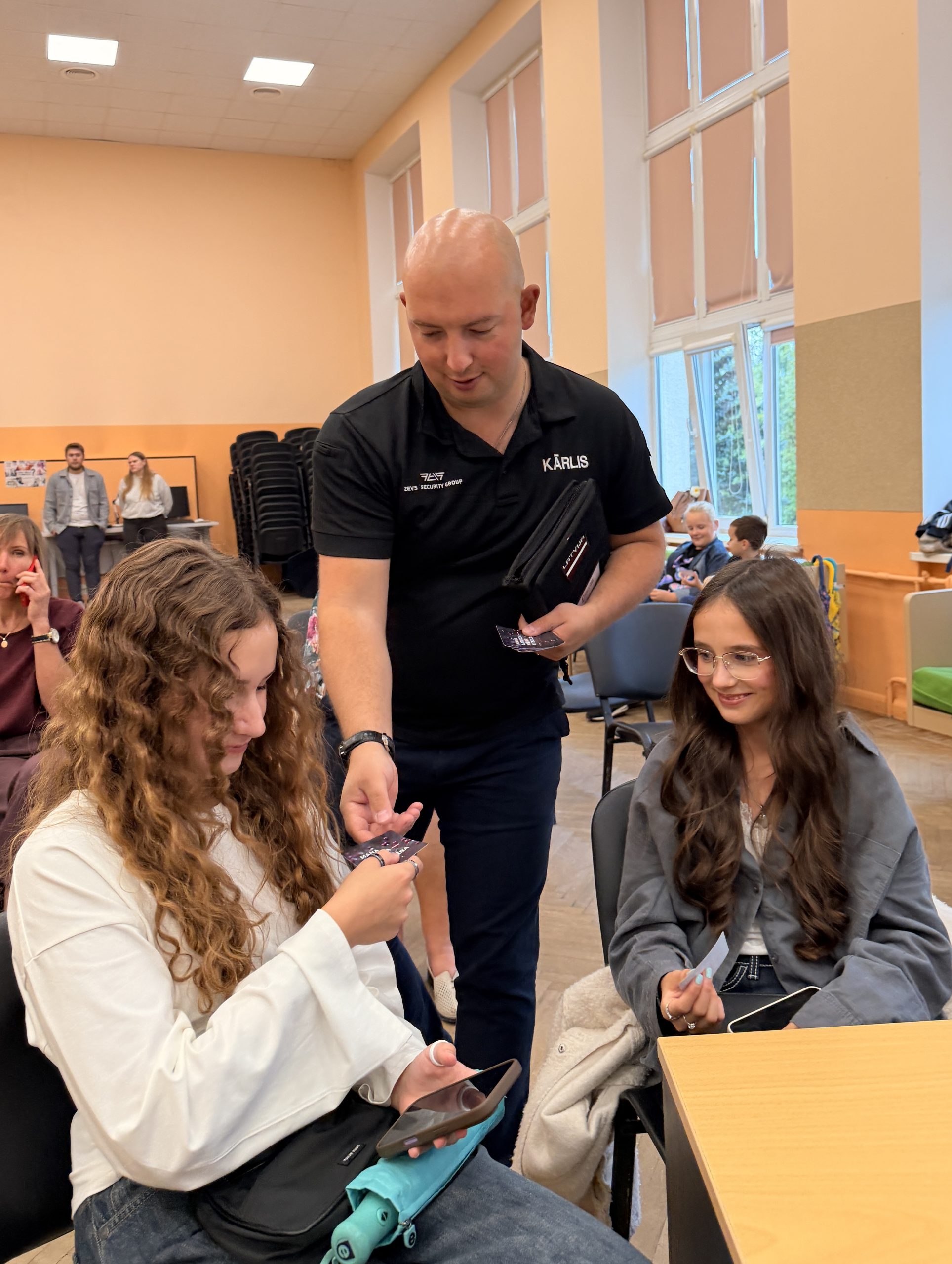
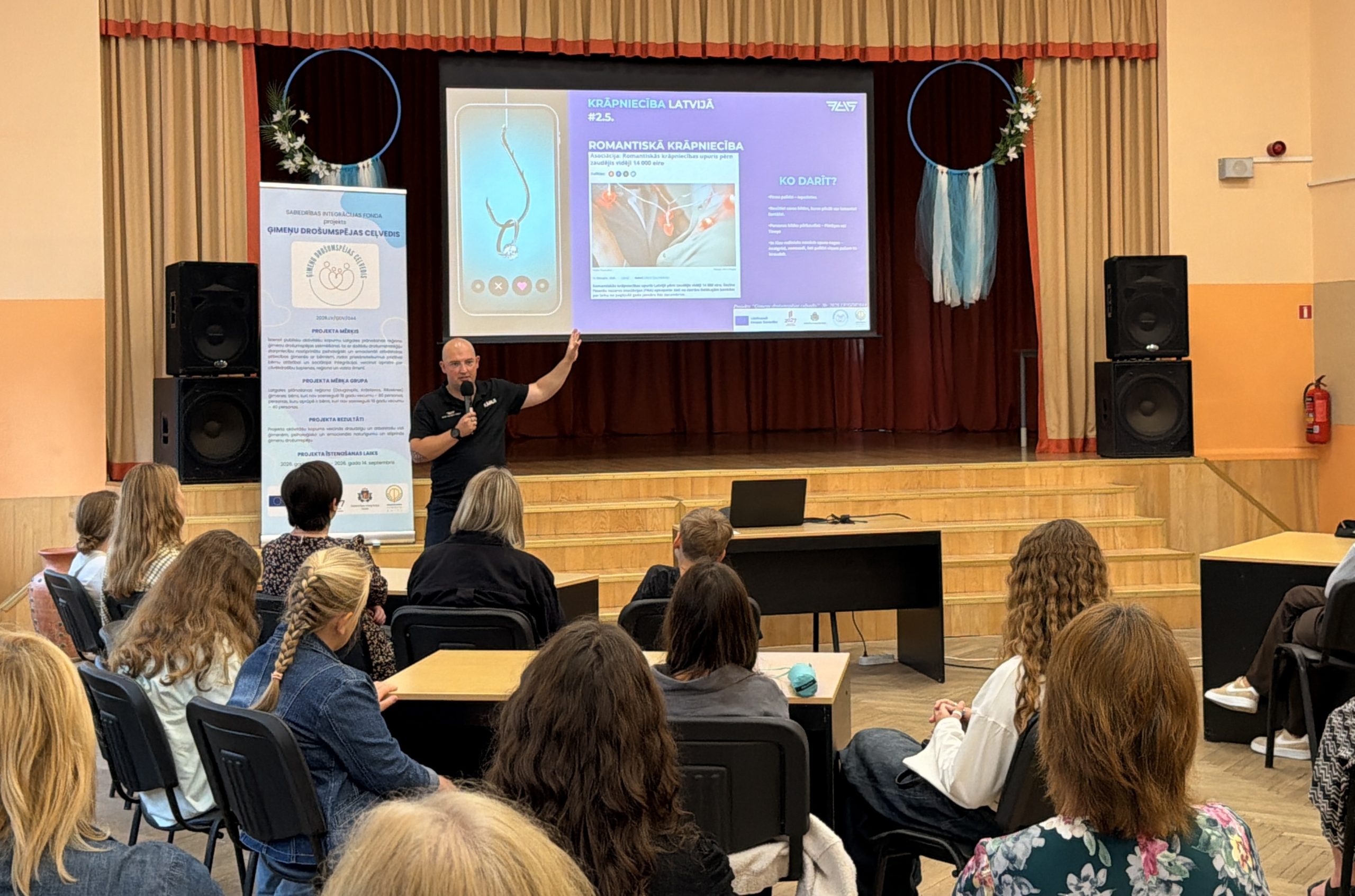
The event focused on several important aspects of safety. Kārlis Apalups, a lecturer at Turība University and Head of the Security Studies field, founder of the security company “Zevs”, and a member of the Security Professionals Association, introduced participants to the most important “golden rules” for recognising attempted fraud. Participants learned how to respond when receiving suspicious calls, messages, or offers, and were also introduced to real-life cases of fraud that have occurred in Latvia.
The participants were informed about current developments in the field of civil safety and appropriate action in crisis situations by Igors Trofimovs, Associate Professor at the Department of Law, Management Science and Economics of the Faculty of Humanities and Social Sciences at Daugavpils University, Director of the short-cycle professional higher education study programme “Civil Security and Defence”, and Director of the academic bachelor’s study programme “Strategic Risks and Crisis Management”.
Meanwhile, Juris Soms, Associate Professor at the Department of Environment and Technologies of the Faculty of Natural Sciences and Healthcare at Daugavpils University, encouraged participants to take a broader view of the concept of safety by also considering the responsible use of the Earth’s resources and choosing more environmentally friendly and economically sustainable solutions in everyday life. Participants learned about various everyday habits that, in the long term, help preserve a clean environment and natural resources for future generations.
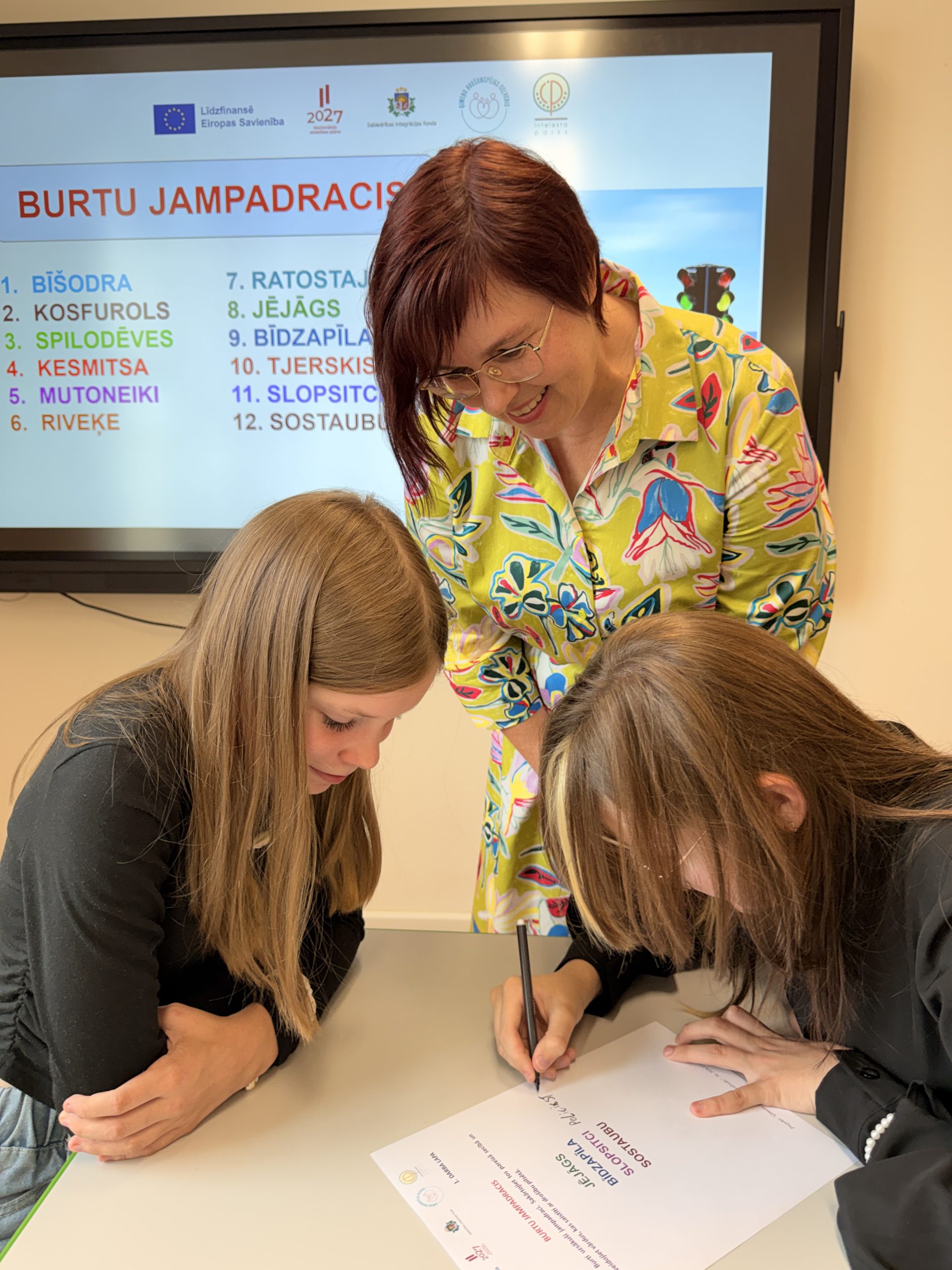
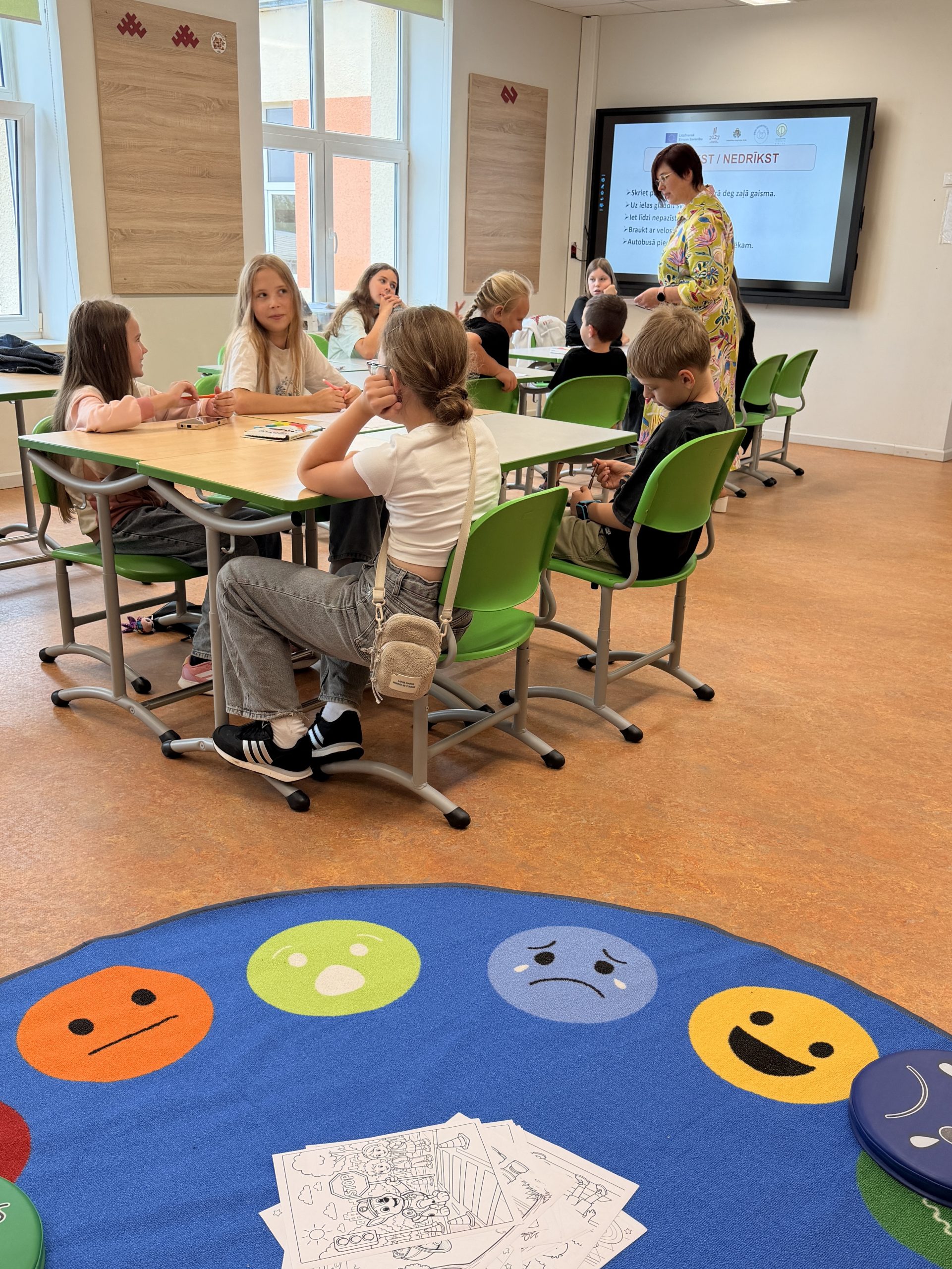
At the same time, the youngest participants of the “Safety Academy”, together with Ingrīda Kupšāne, Lecturer at the Department of Languages and Literature of the Faculty of Humanities and Social Sciences at Daugavpils University, took part in interactive and engaging activities focused on safe behaviour in different everyday situations. The children were encouraged to assess their own safety and resilience, analyse various potentially dangerous situations, and consider the consequences that reckless actions may have.
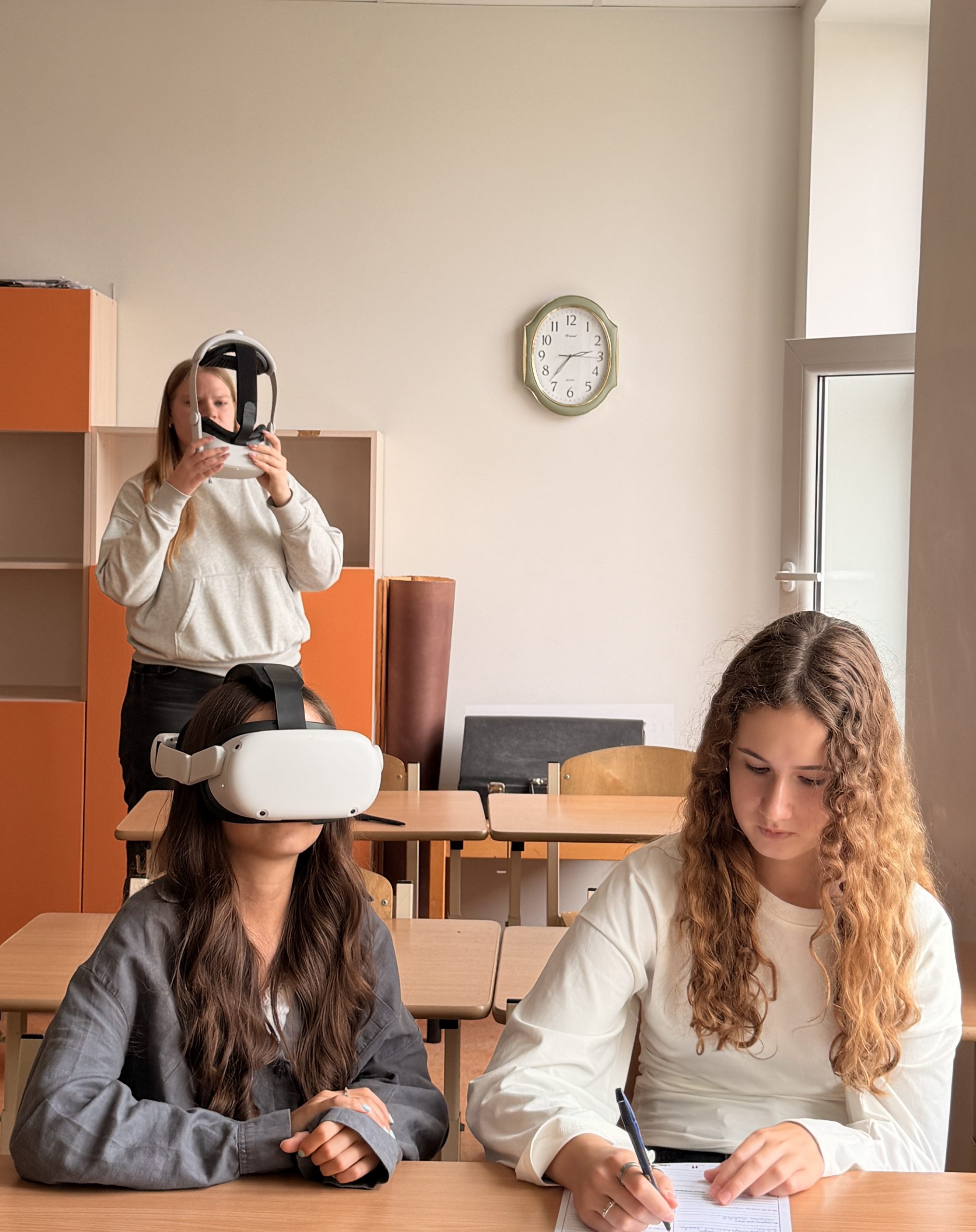
The practical side of digital safety was also an important part of the event. Under the guidance of the Society’s IT specialist Gustavs Koržeņevskis, participants took part in digital activities and virtual reality simulations, strengthening their knowledge and skills in the field of digital safety. This provided an opportunity to explore digital safety issues in a different way from a traditional lecture – by entering a simulated environment and practically testing how to respond in situations that require participants to quickly assess circumstances and make appropriate decisions.
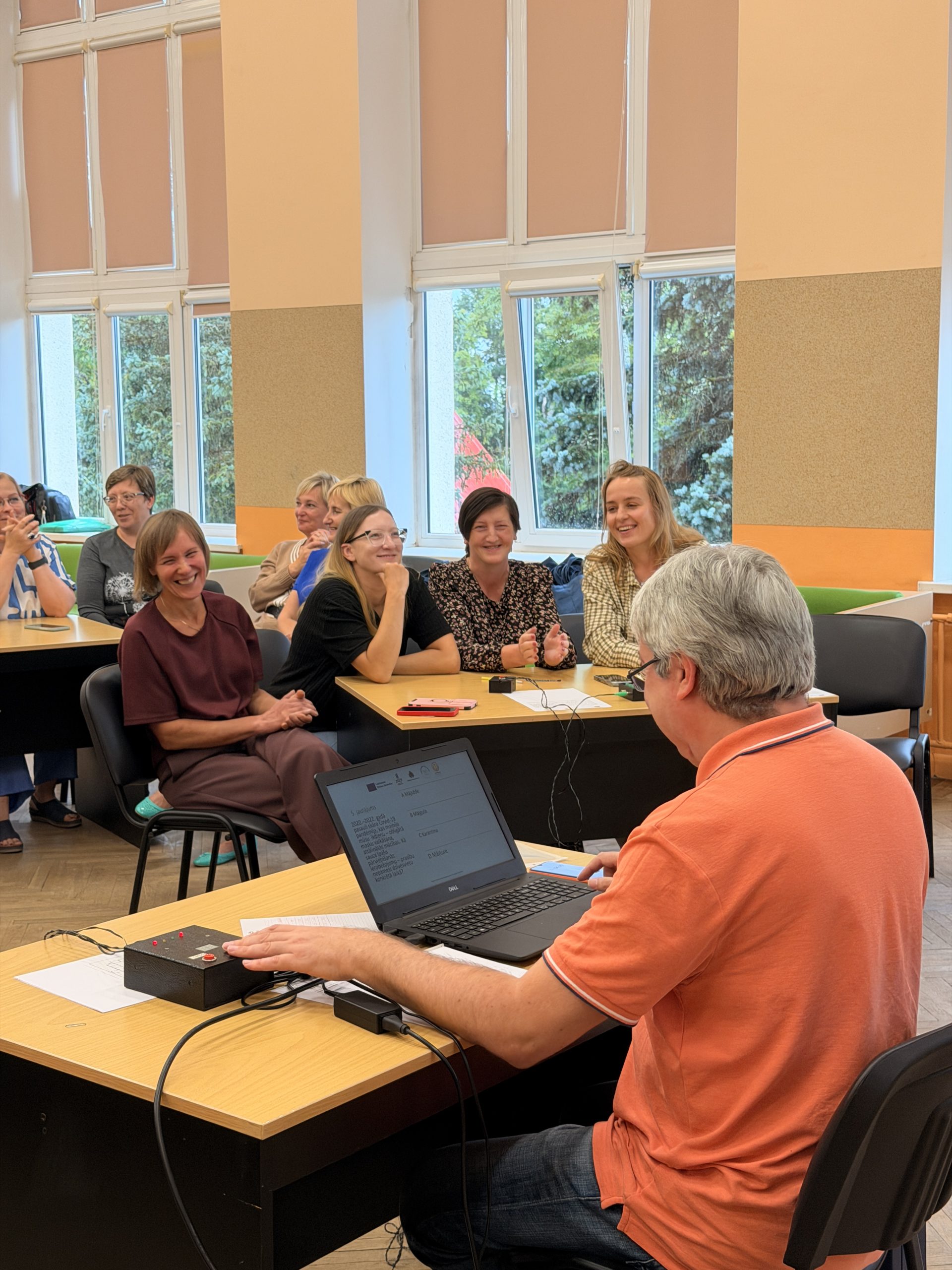
At the conclusion of the event, the participating teams tested their knowledge of current safety issues in the educational quiz game “The Safety Code”, led by Žans Badins, Lecturer at the Department of Languages and Literature of the Faculty of Humanities and Social Sciences at Daugavpils University and researcher at the Centre for Cultural Studies of the Institute of Humanities and Social Sciences. The questions covered both practical safety topics and challenging tasks designed to test participants’ attentiveness and logical thinking. The final result depended not only on knowledge but also on quick reactions and the teams’ ability to work together. After a closely contested competition, the team “Table 1” emerged as the winner and received valuable prizes!
Many thanks to all the participants of the “Safety Academy” for their active involvement, curiosity, and willingness to strengthen their safety and resilience skills!
The event was organised within the framework of the project “A Guide to Family Safety and Resilience”, No. 2026.LV/ĢDV/044. The event is funded by the European Union and takes place within the framework of the European Social Fund Plus project “Development of a Family-Friendly Environment and Society”, Project No. 4.3.6.9/1/24/I/001.
 |  |  |